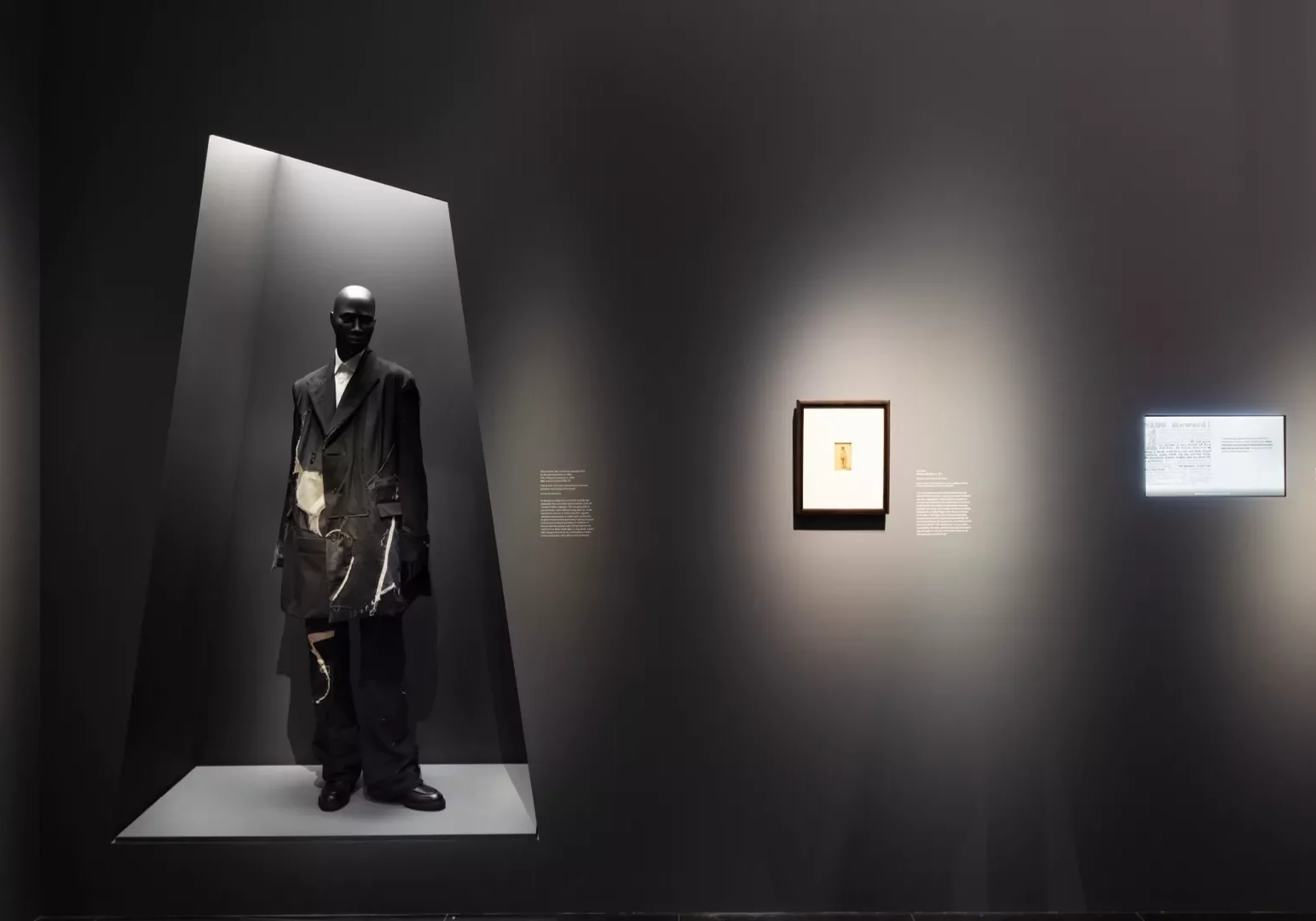
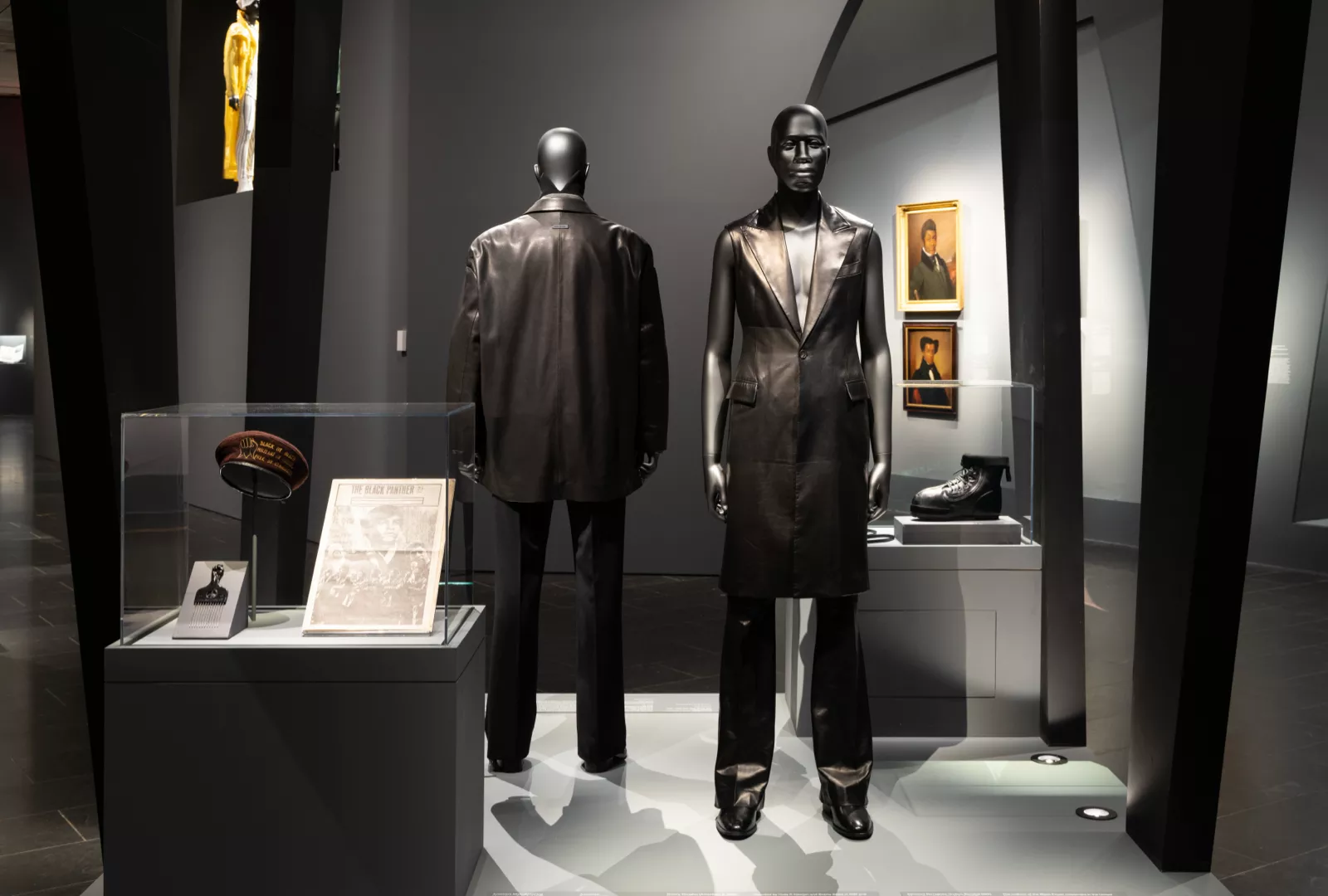
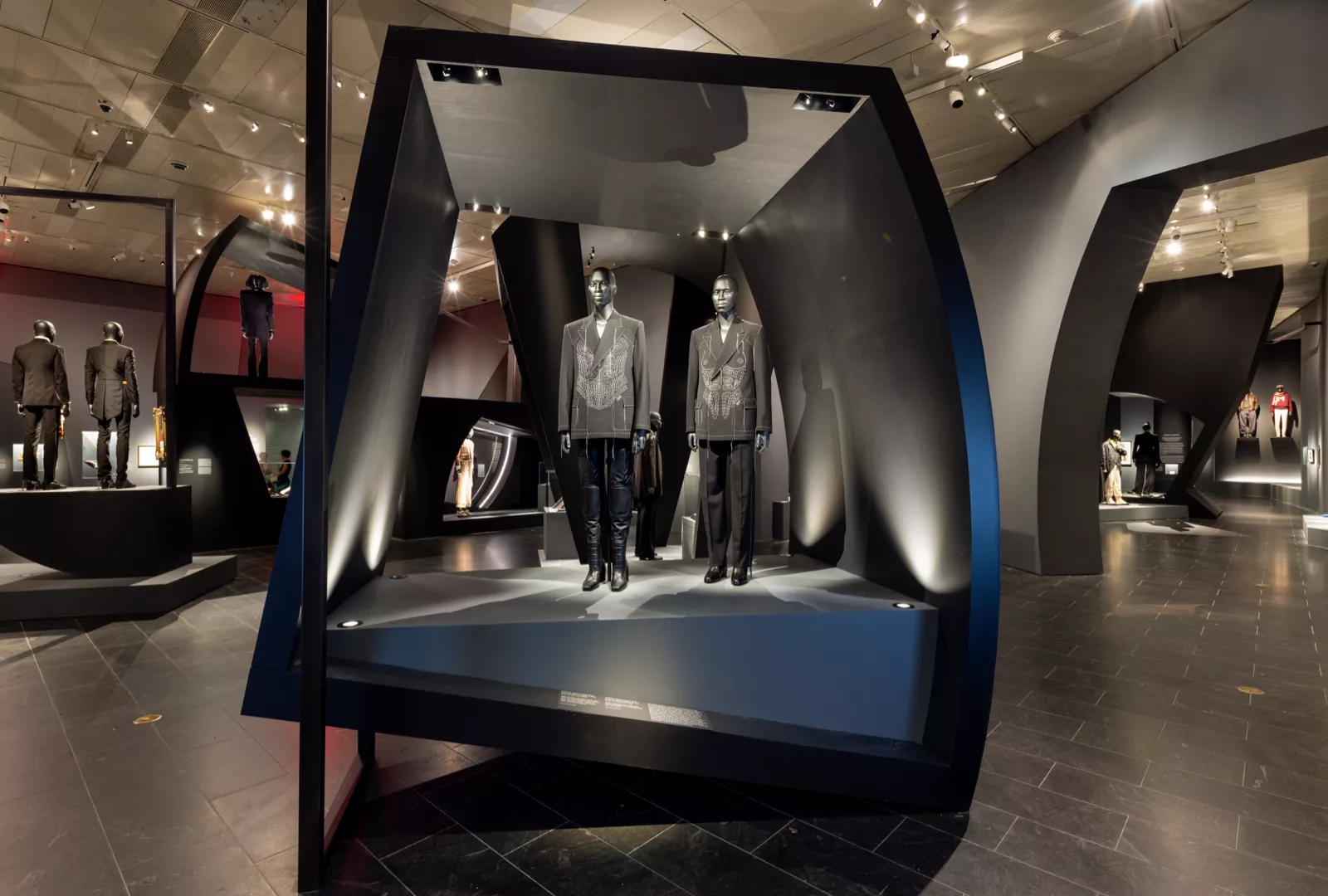
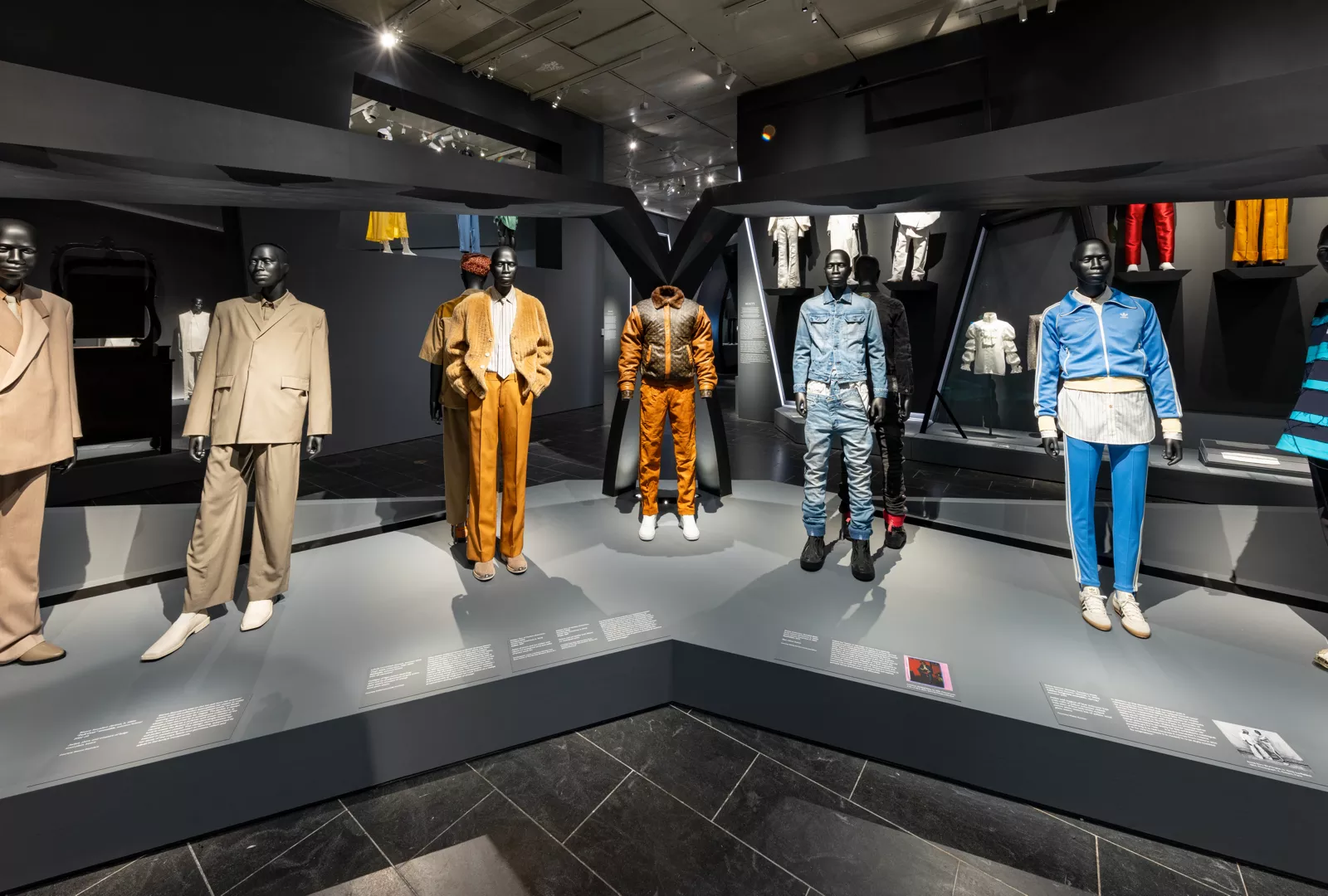
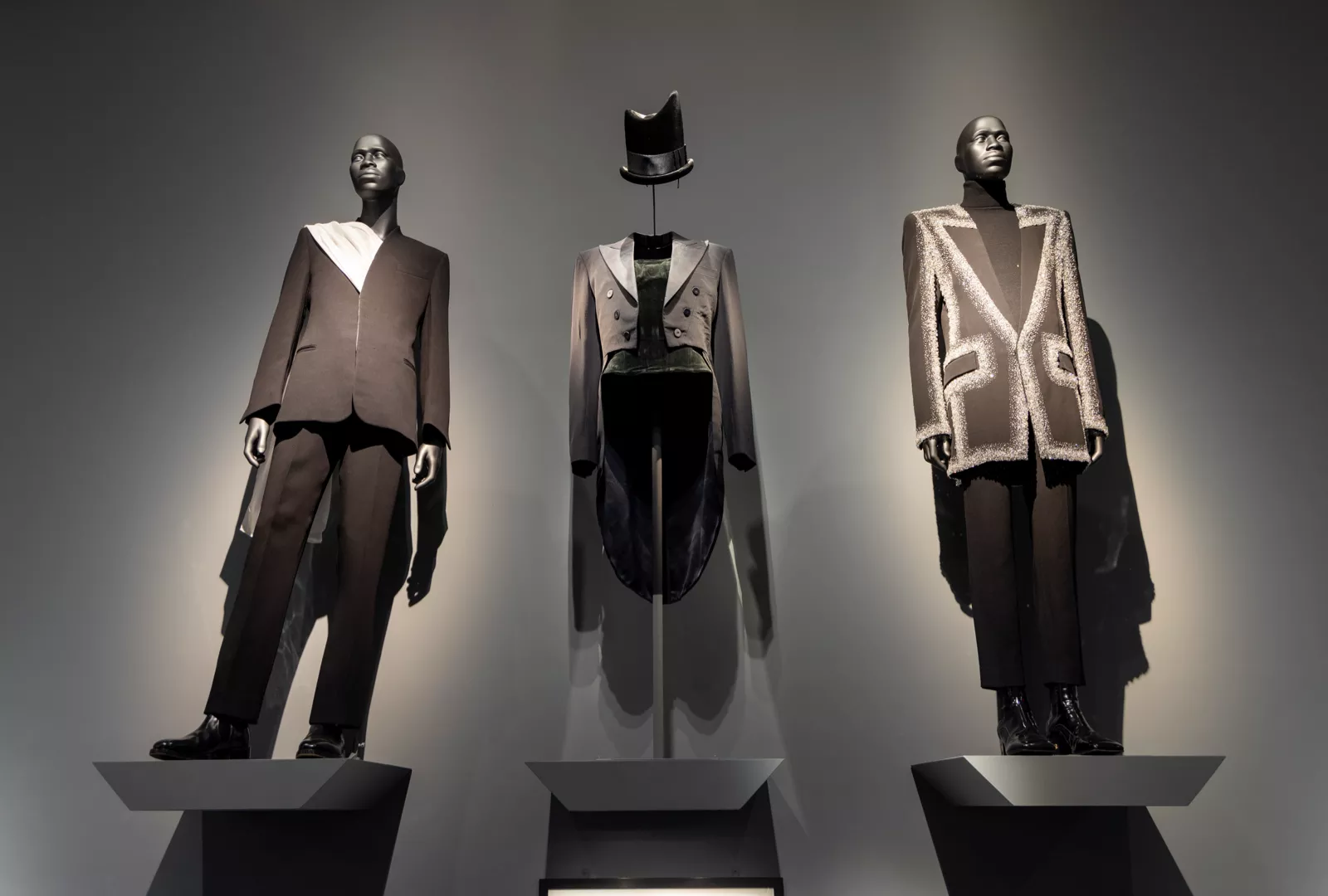
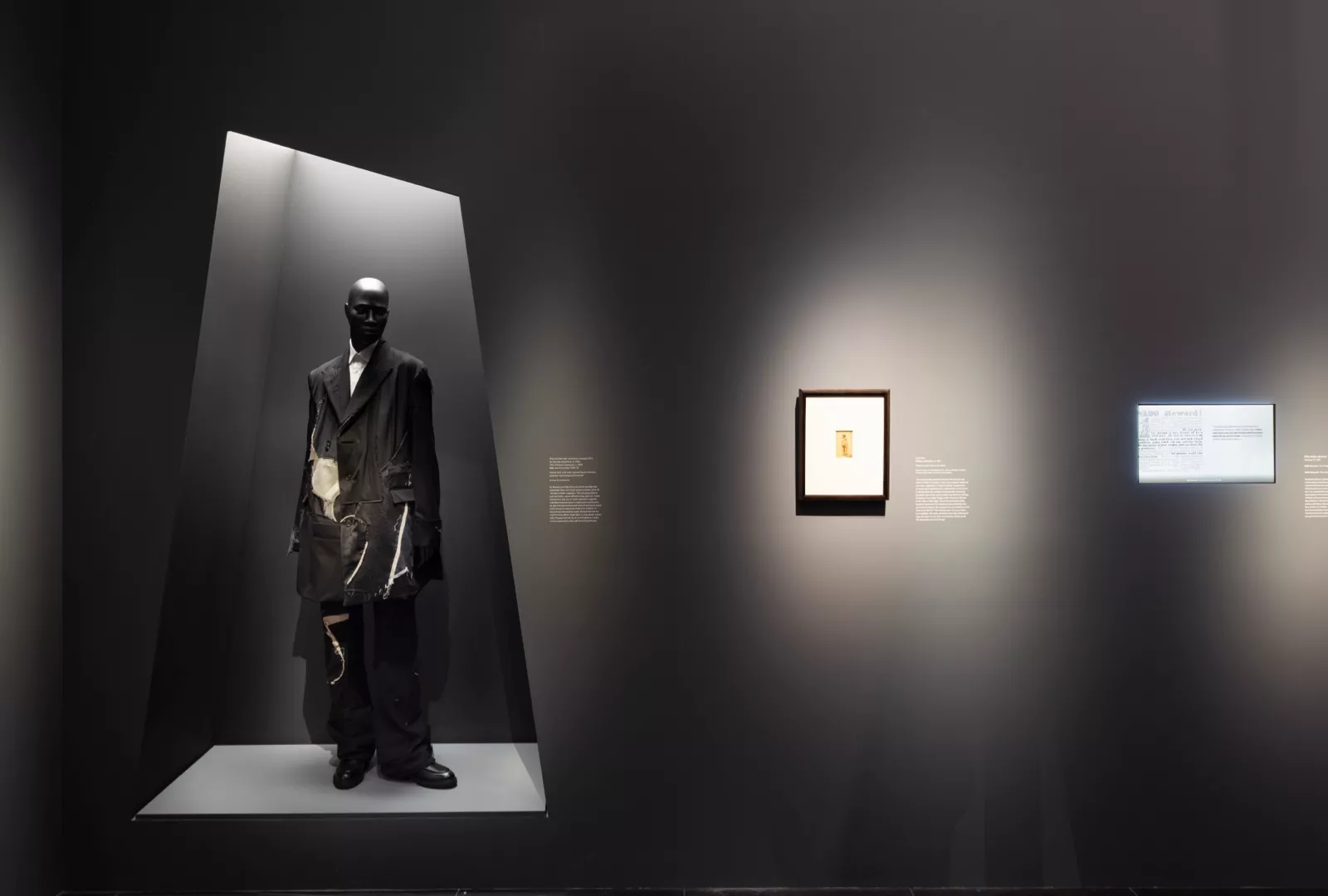
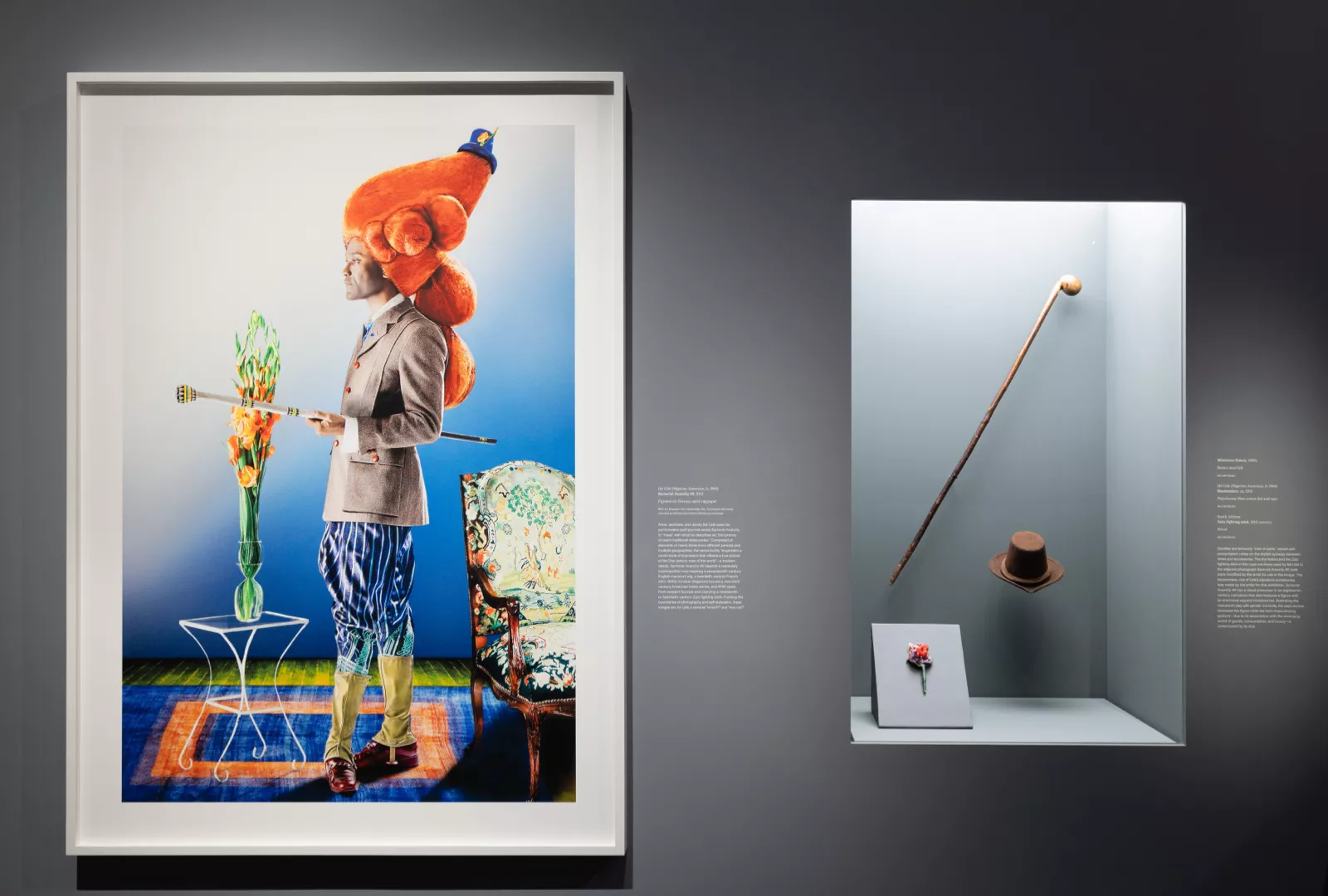
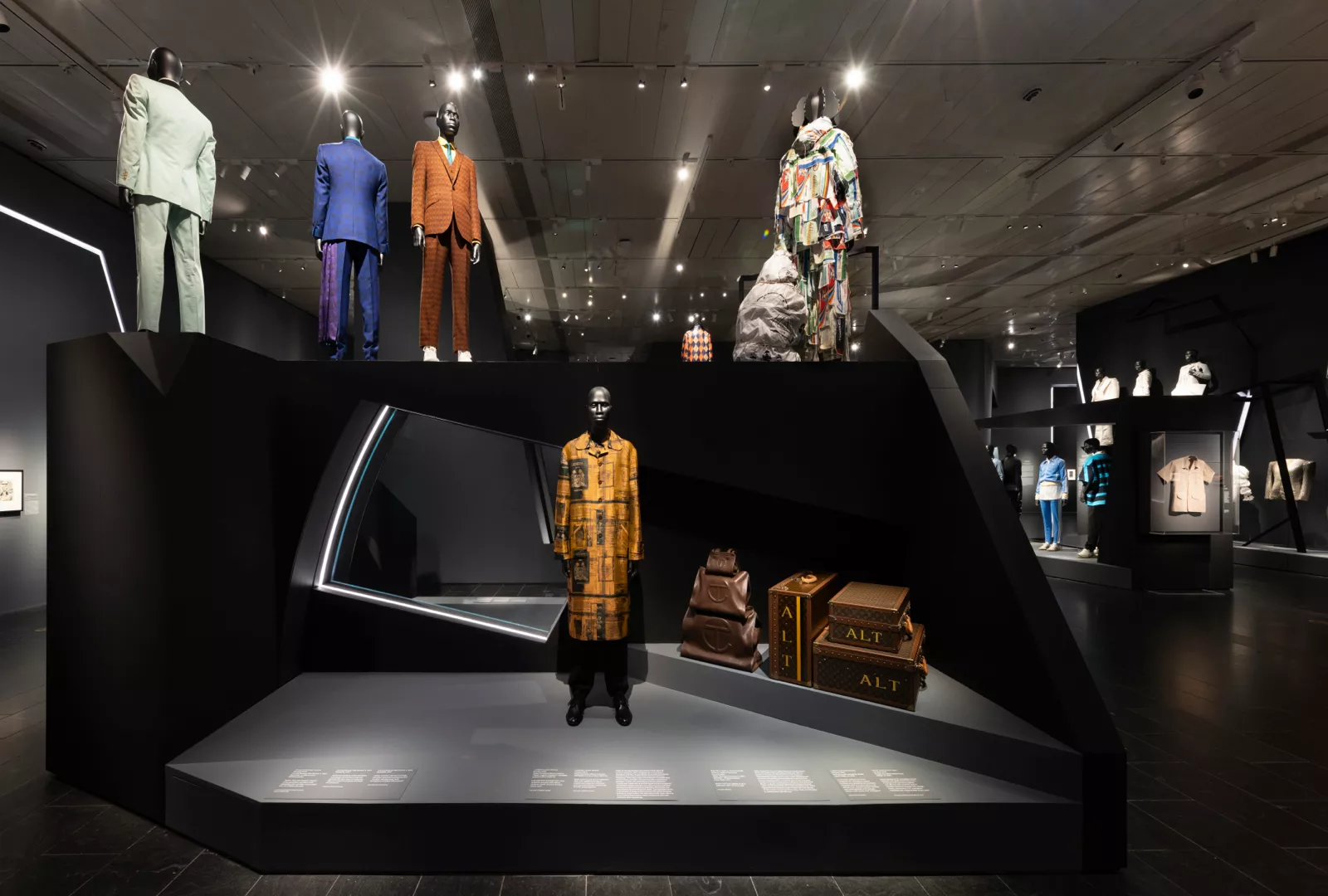
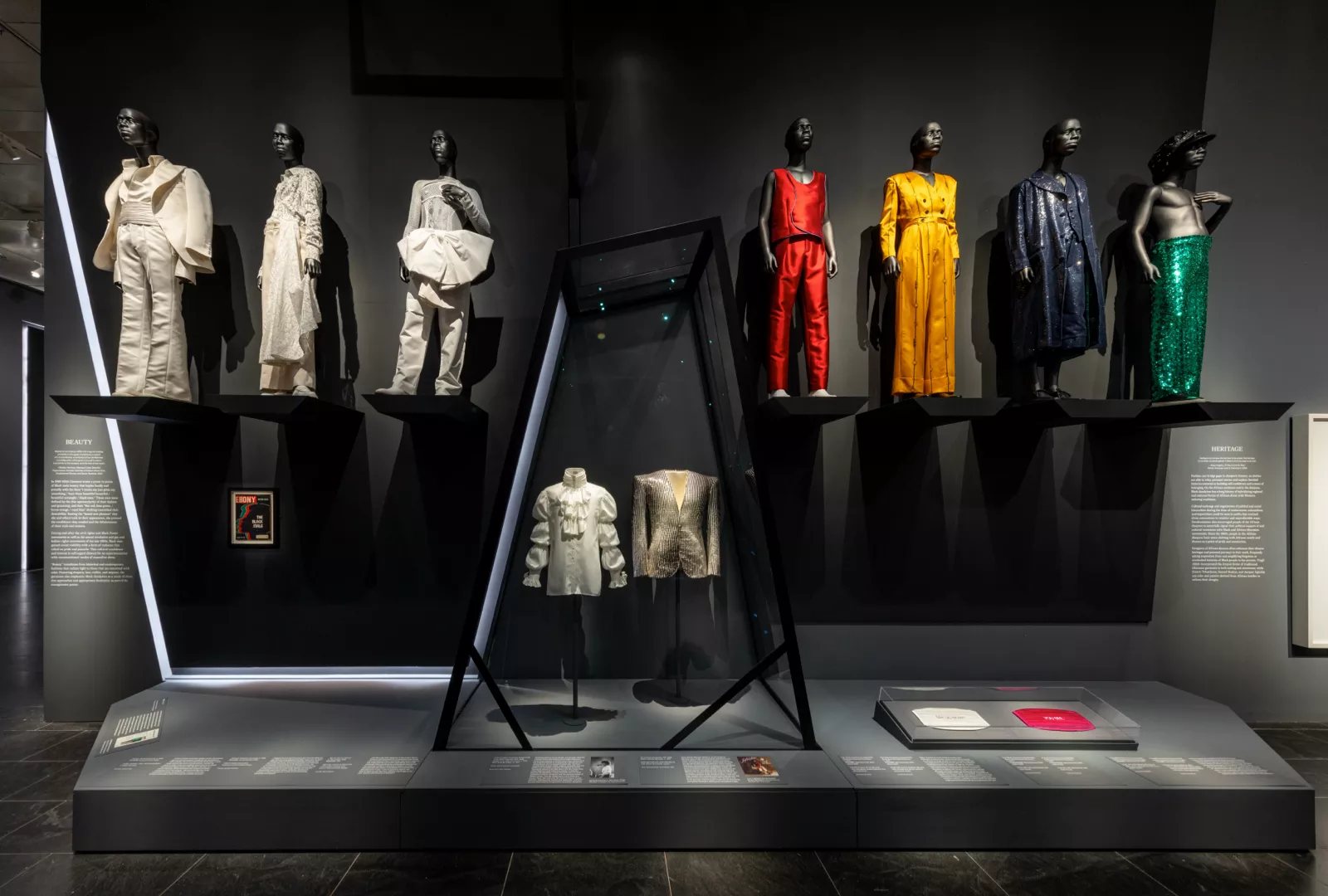
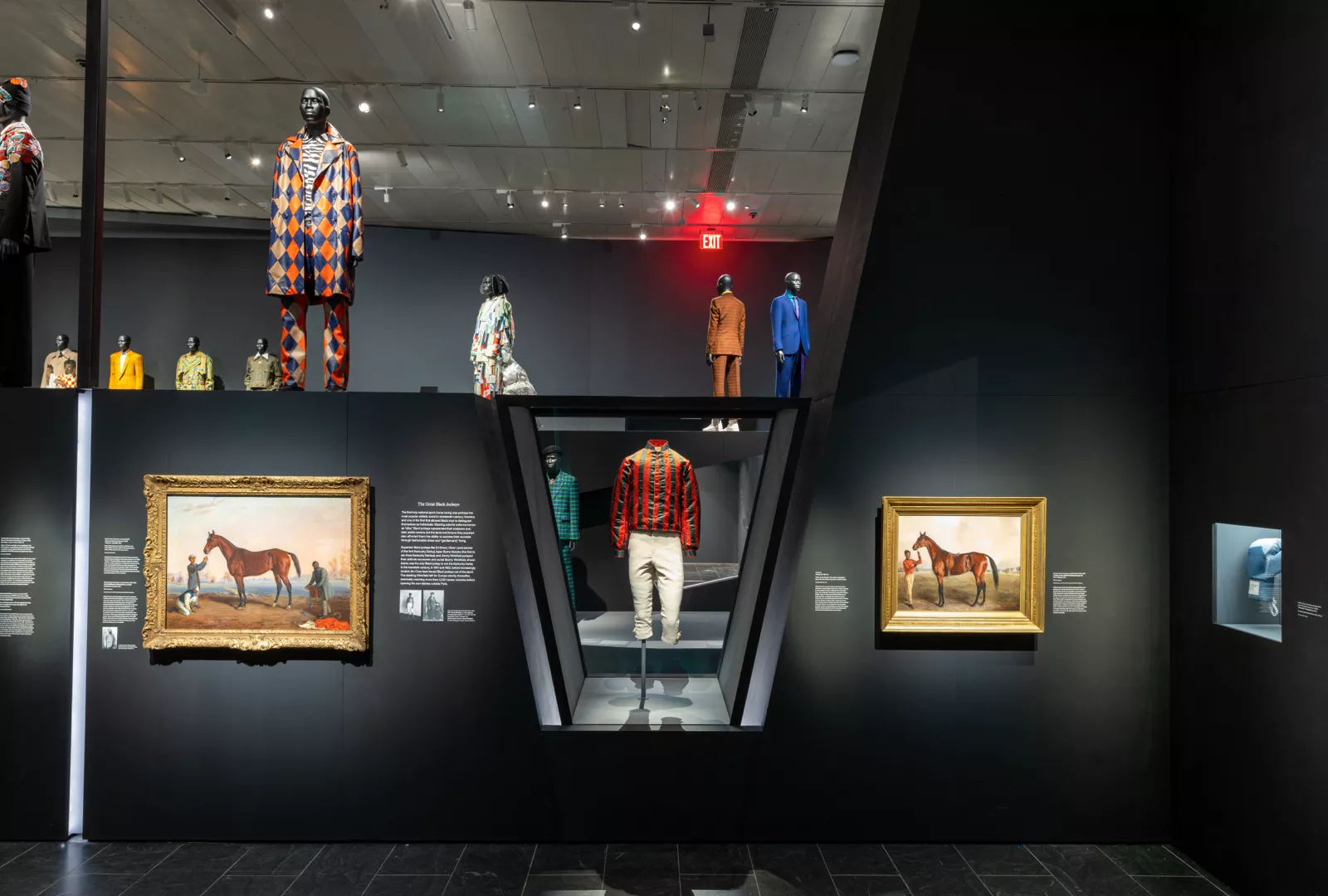
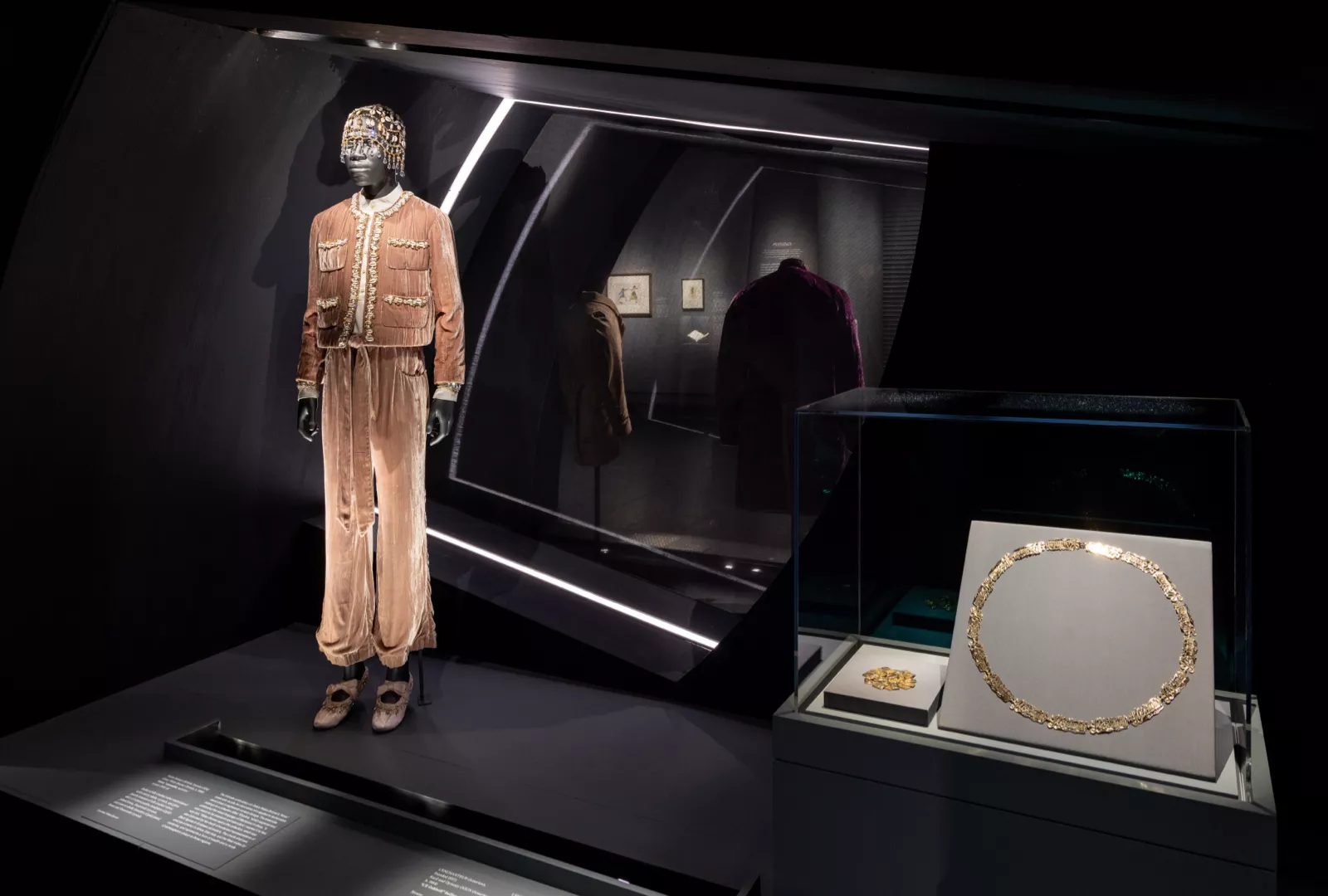
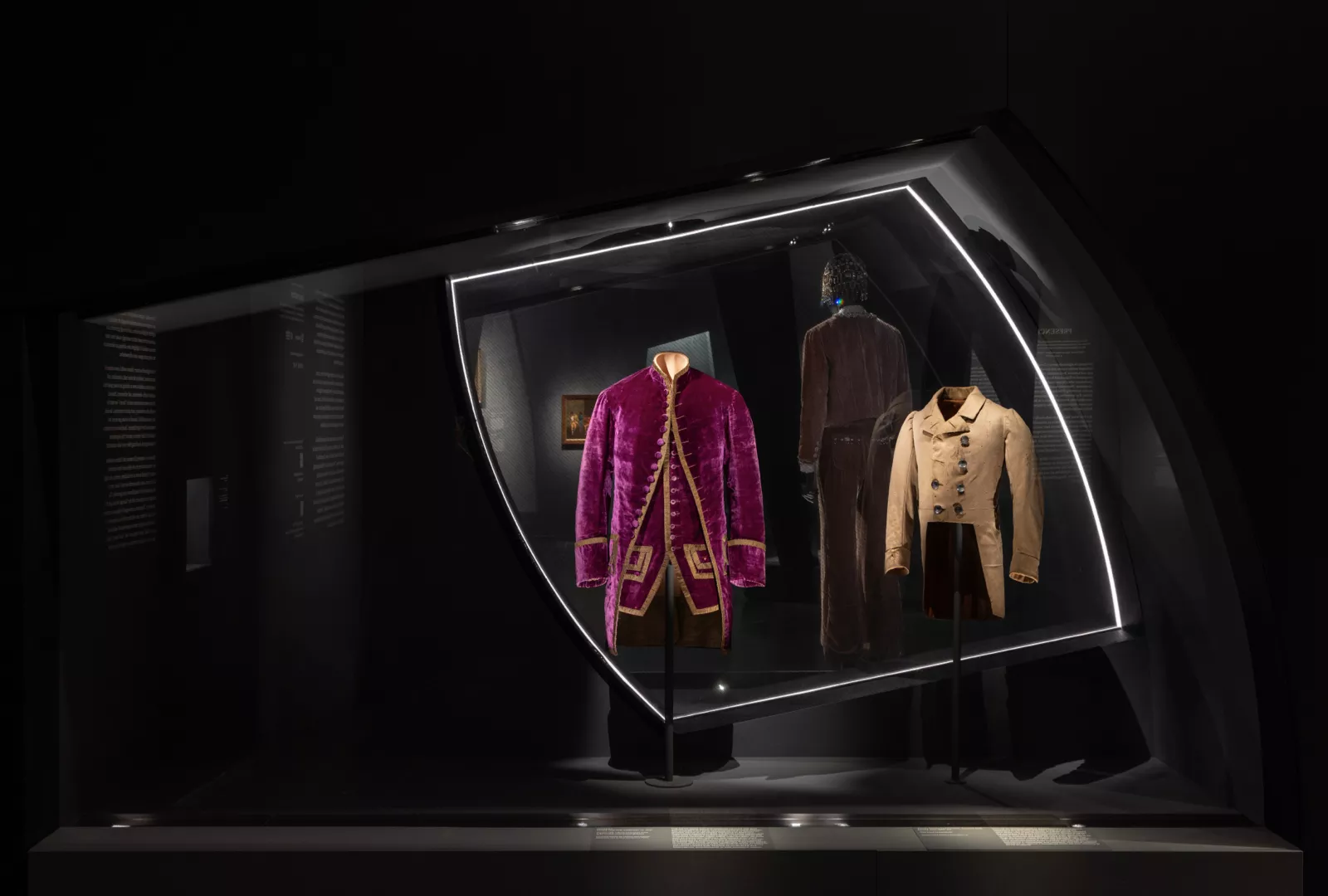
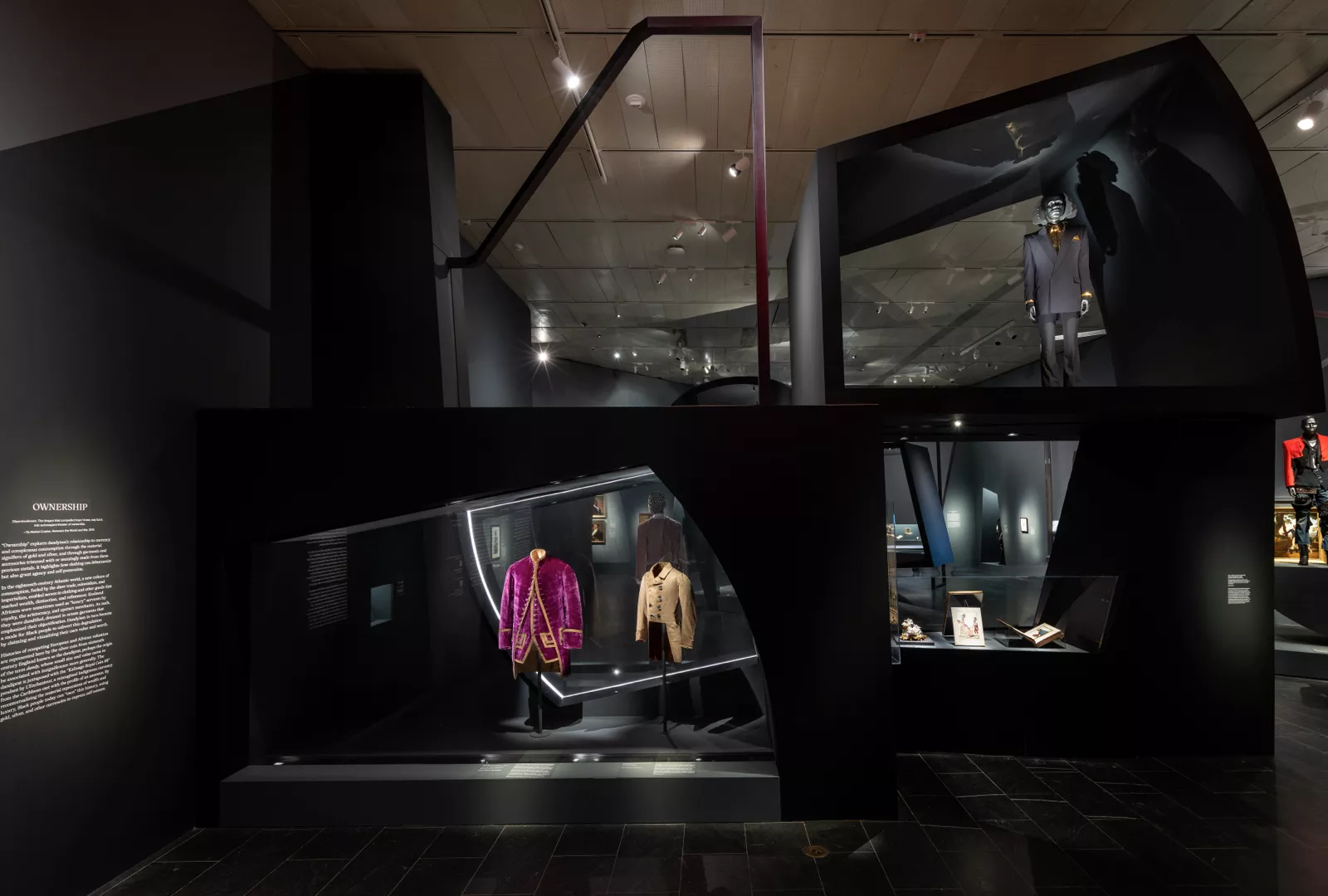
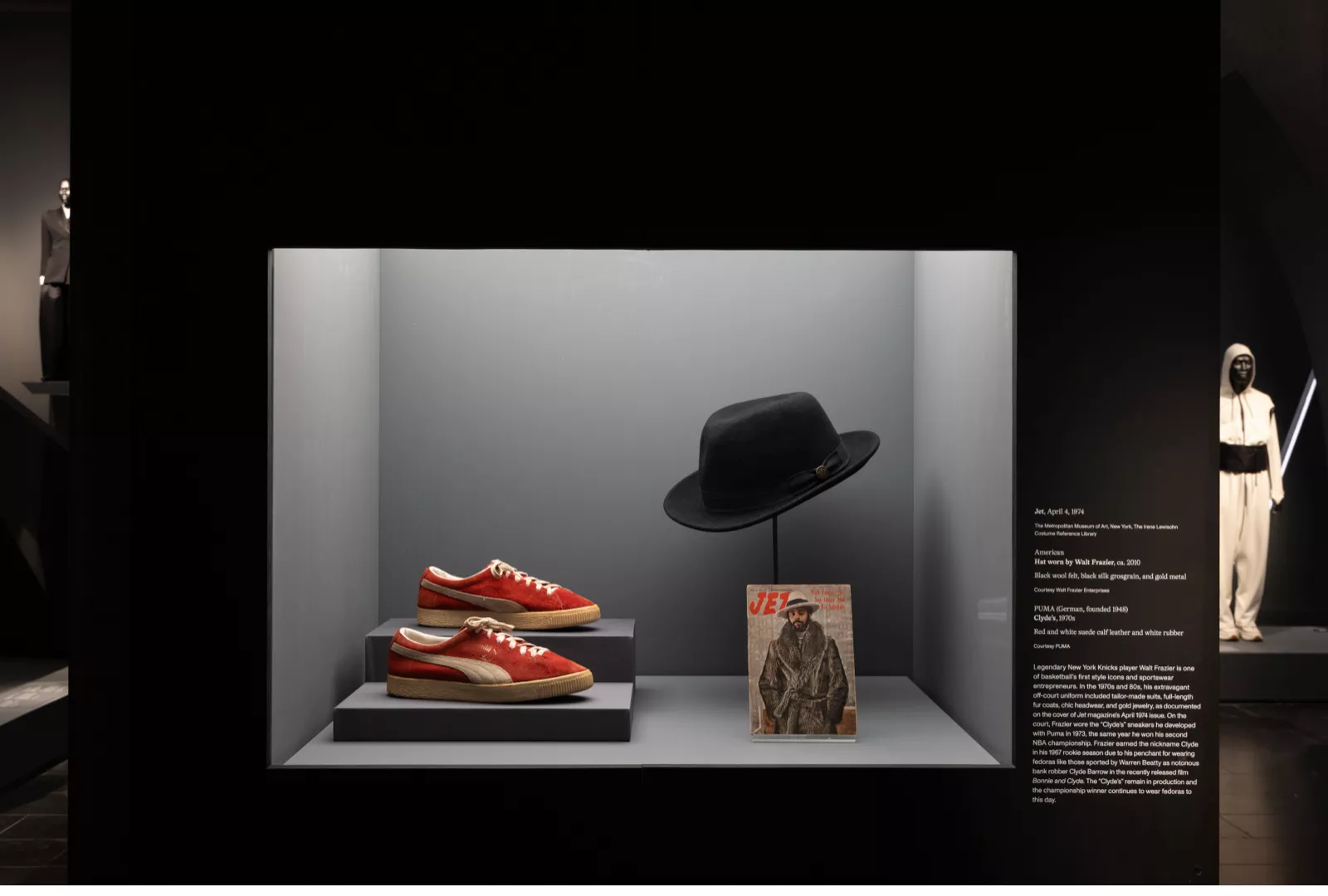
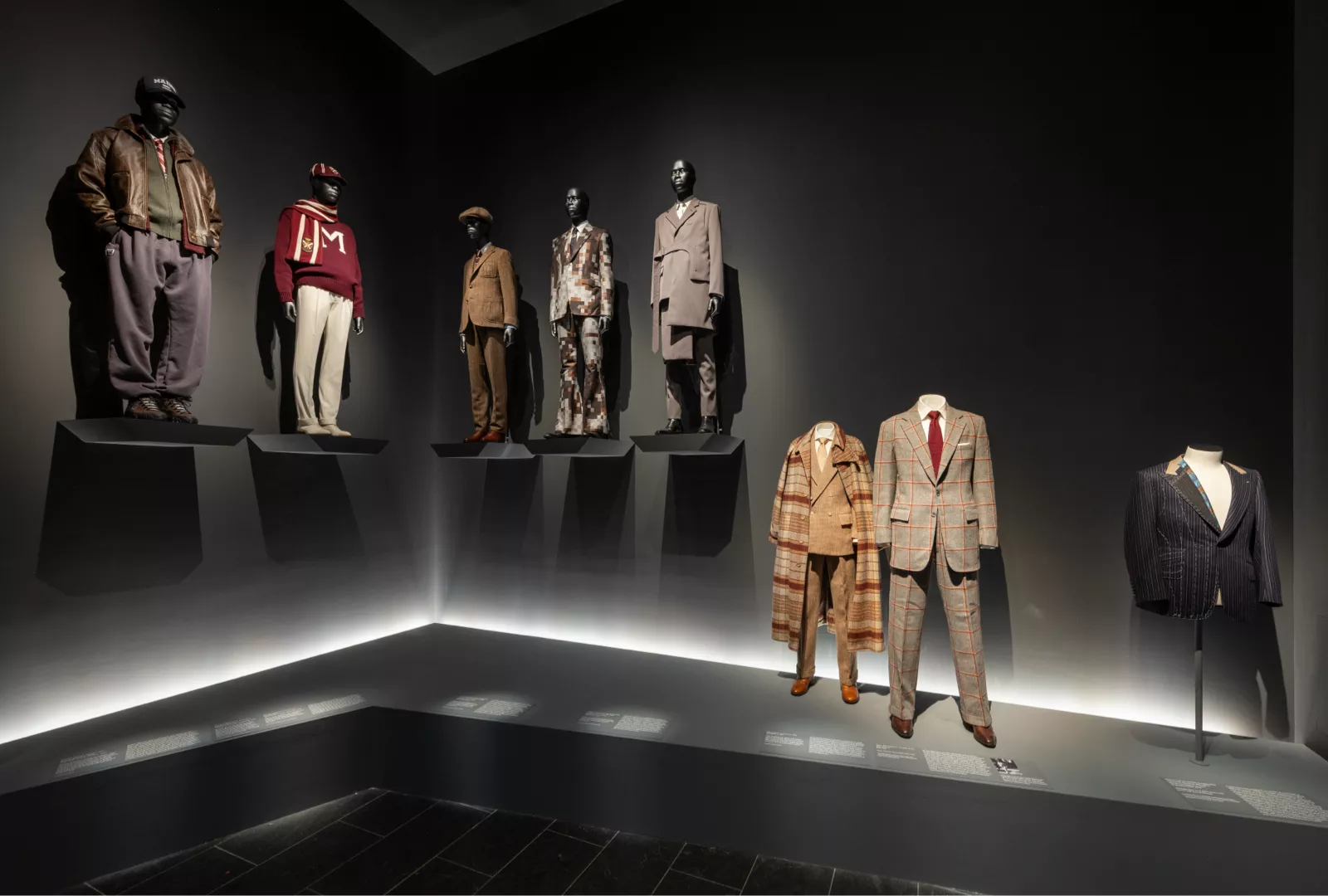
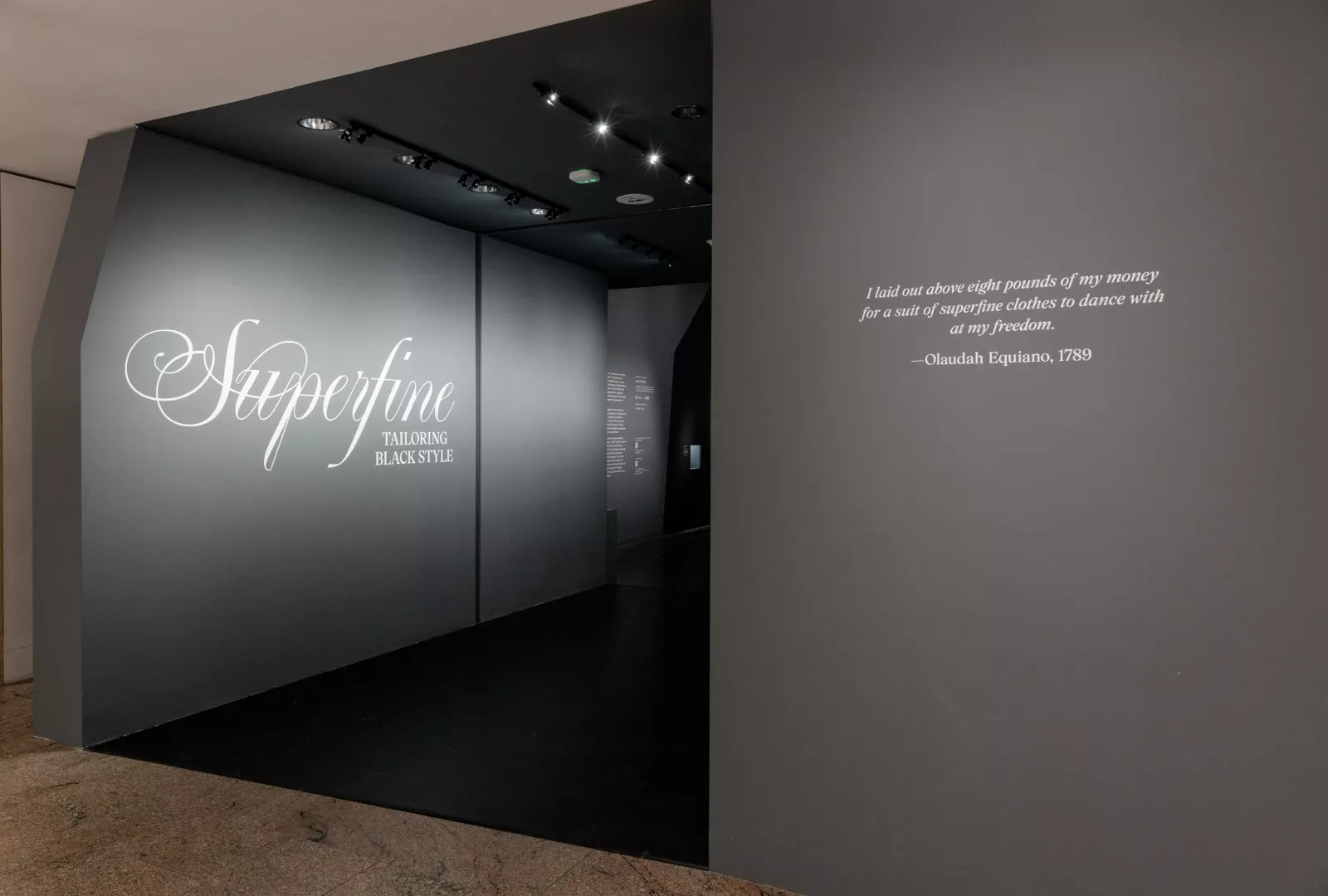
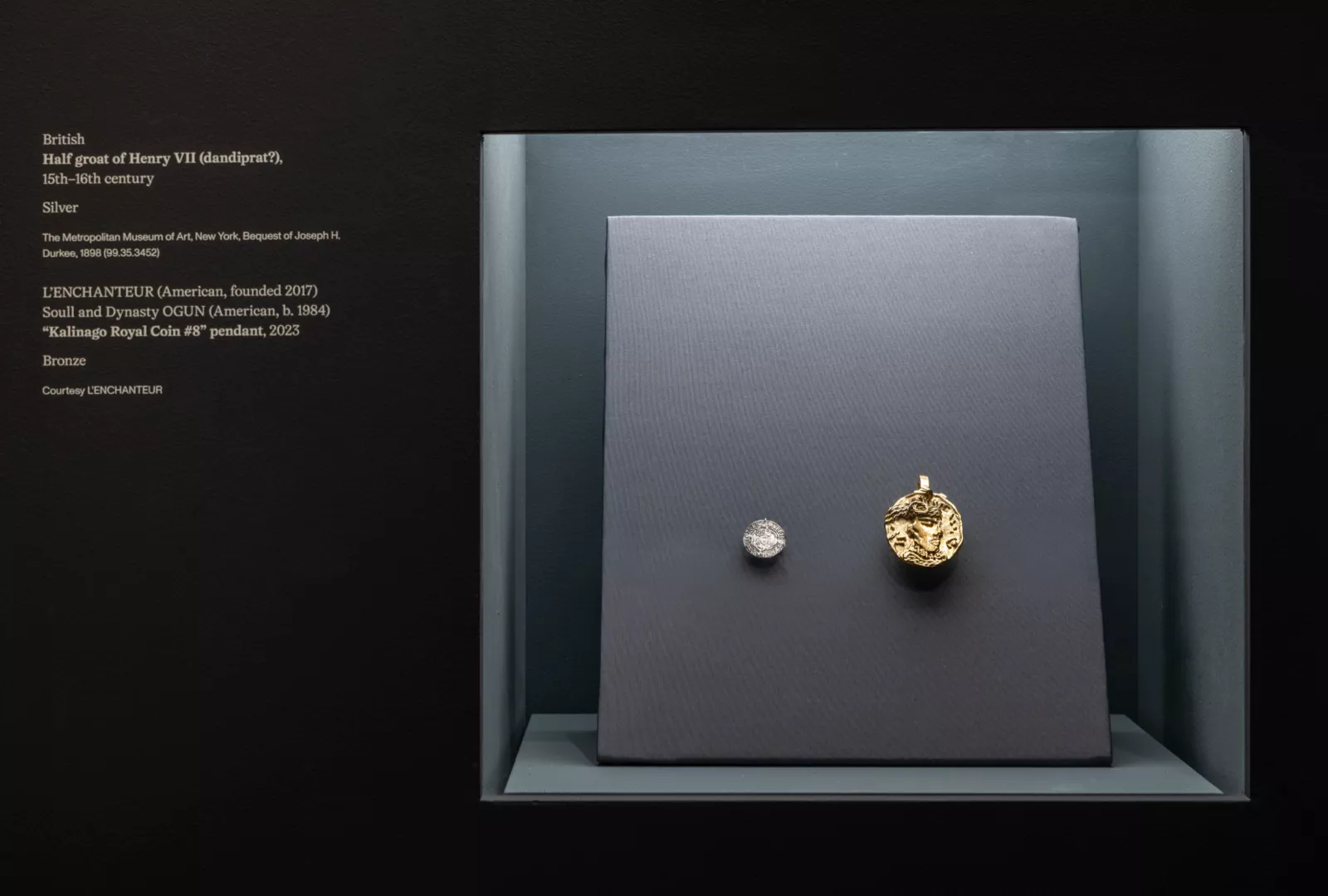
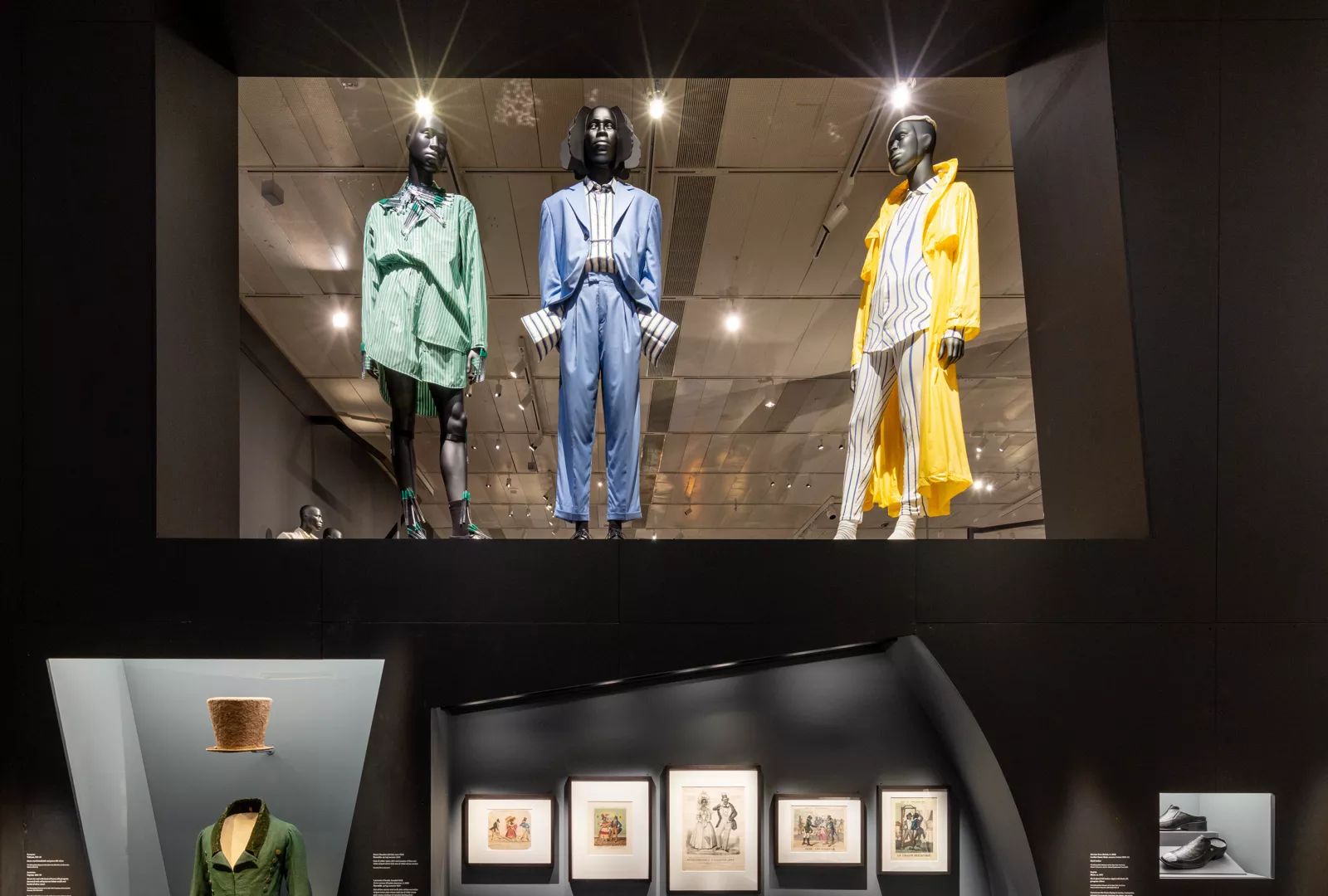
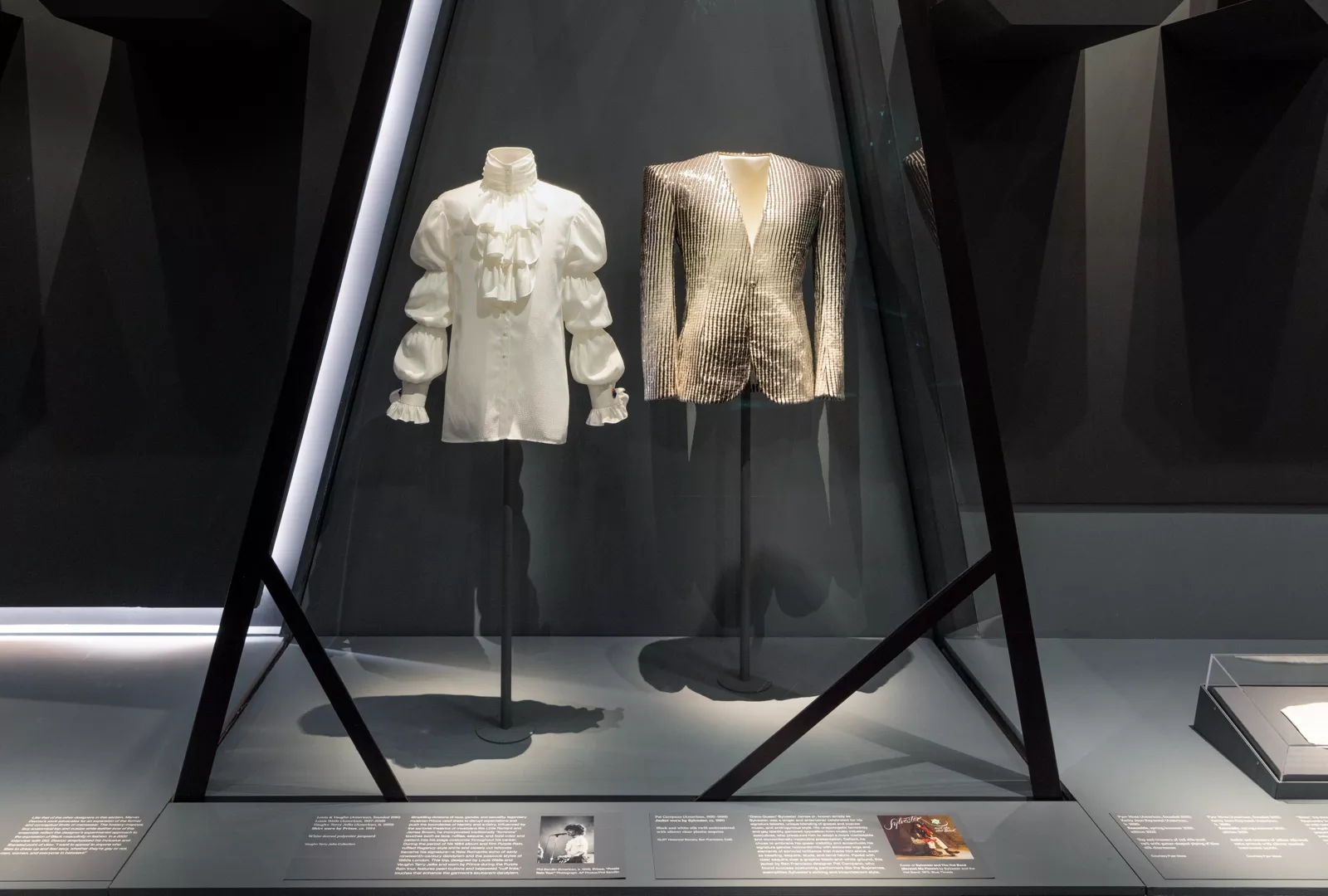
New York, June 2025 – A powerful story of culture, beauty and art. The legacy and evolution of Black sartorial style, as well as the creativity and innovation that have defined it for generations, are told in the exhibition Superfine: Tailoring Black Style, on view until October 26, 2025 at the Metropolitan Museum of Art in New York.
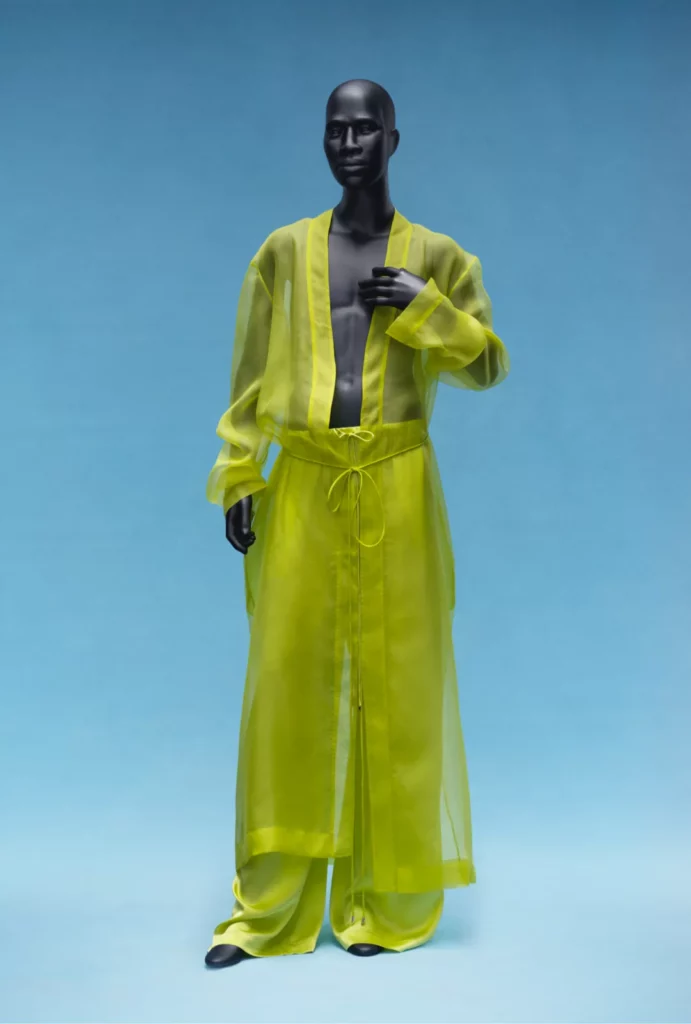
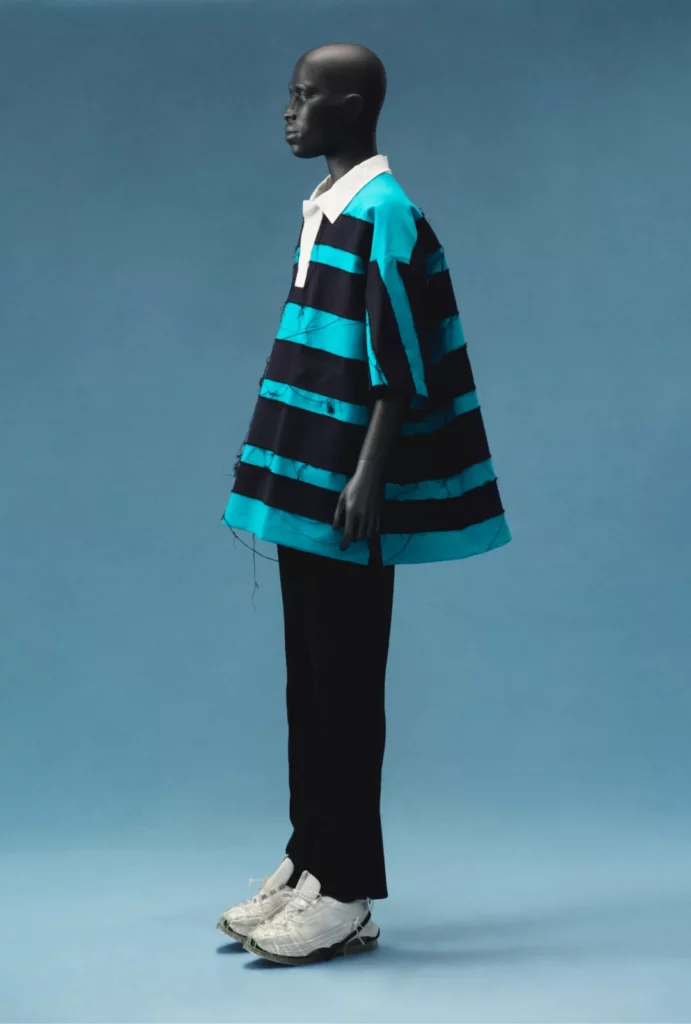
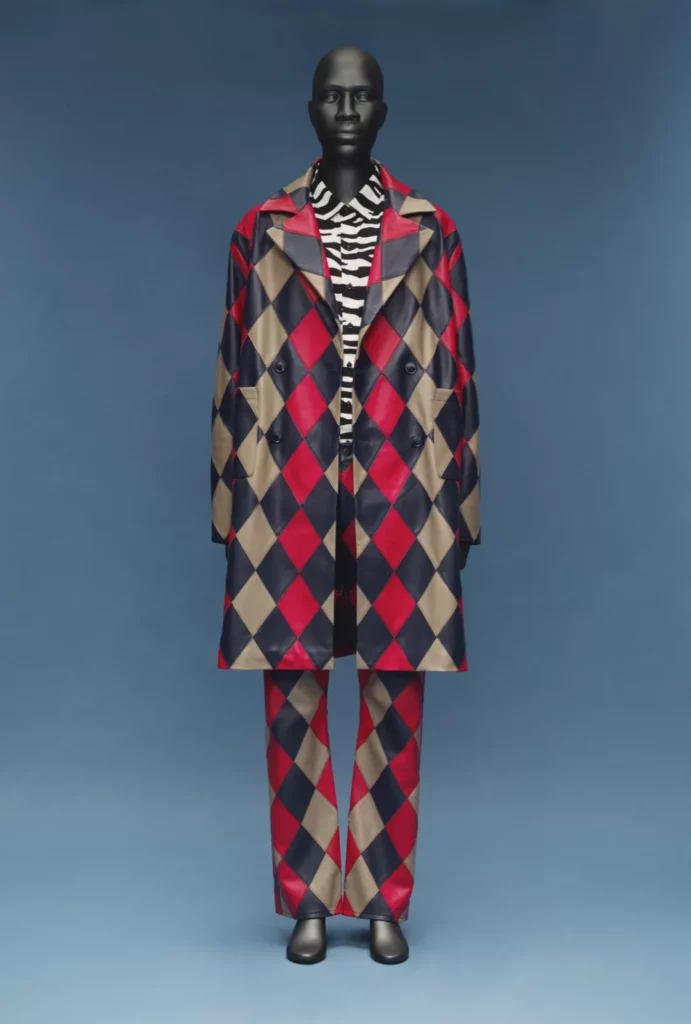
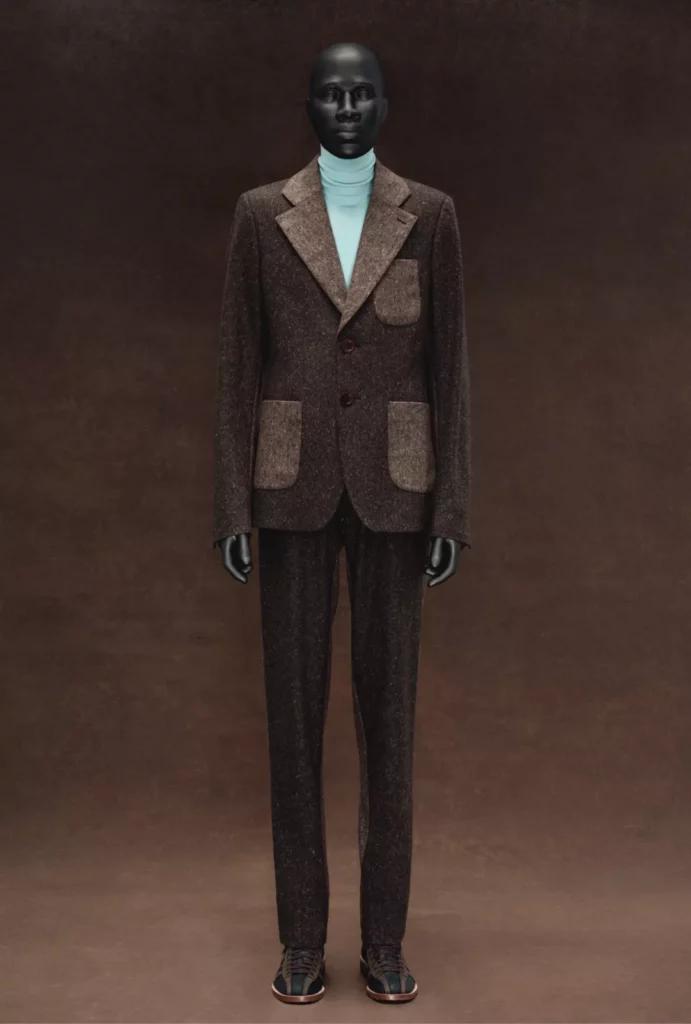
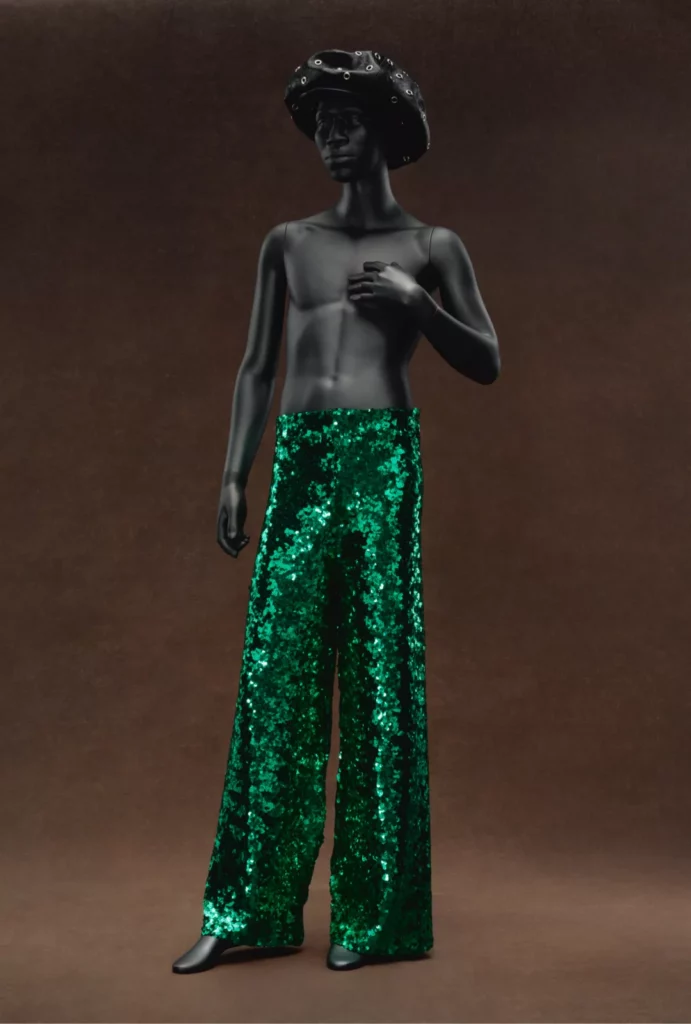
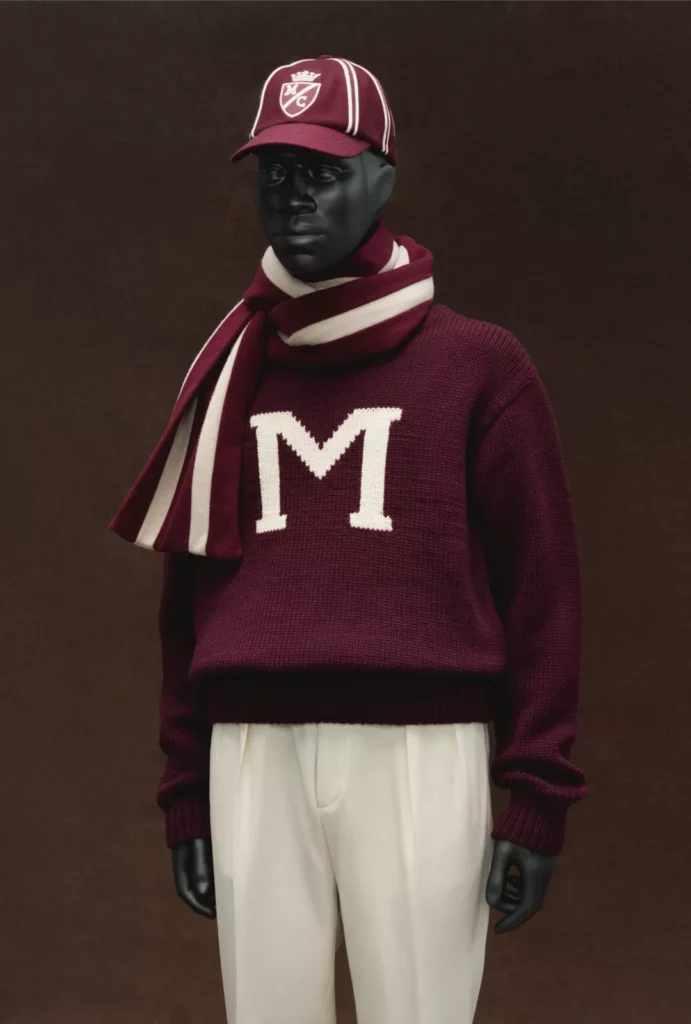
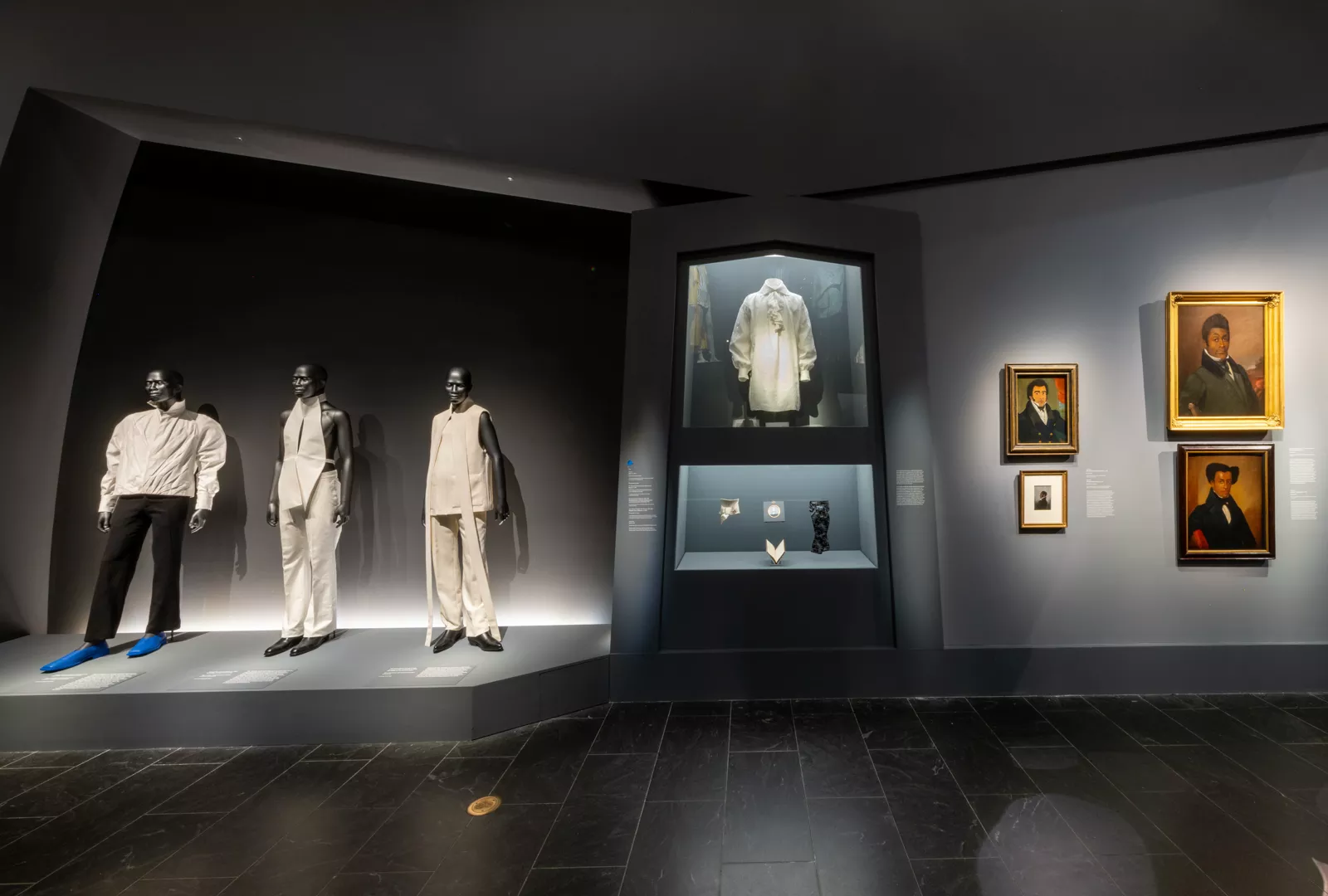
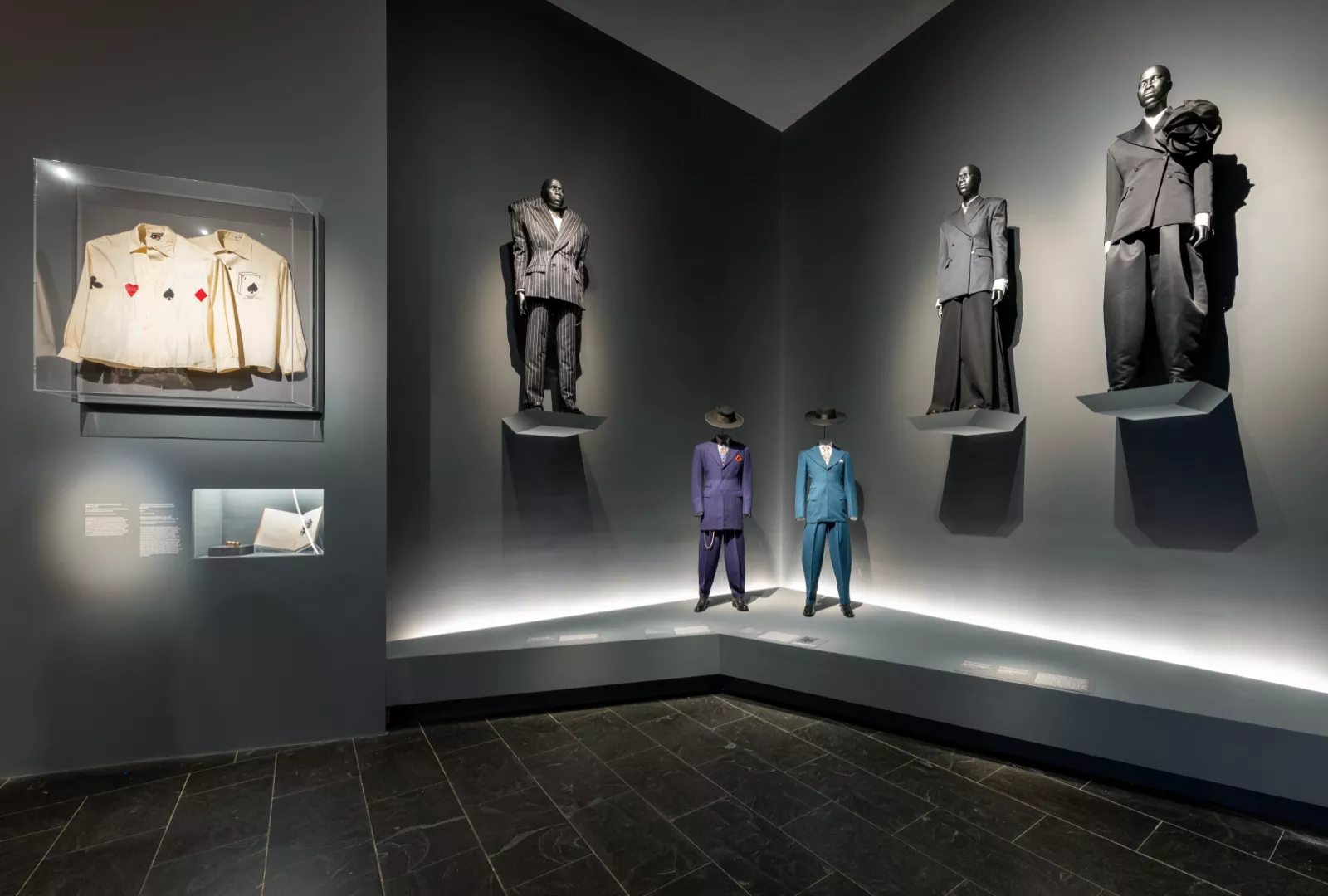
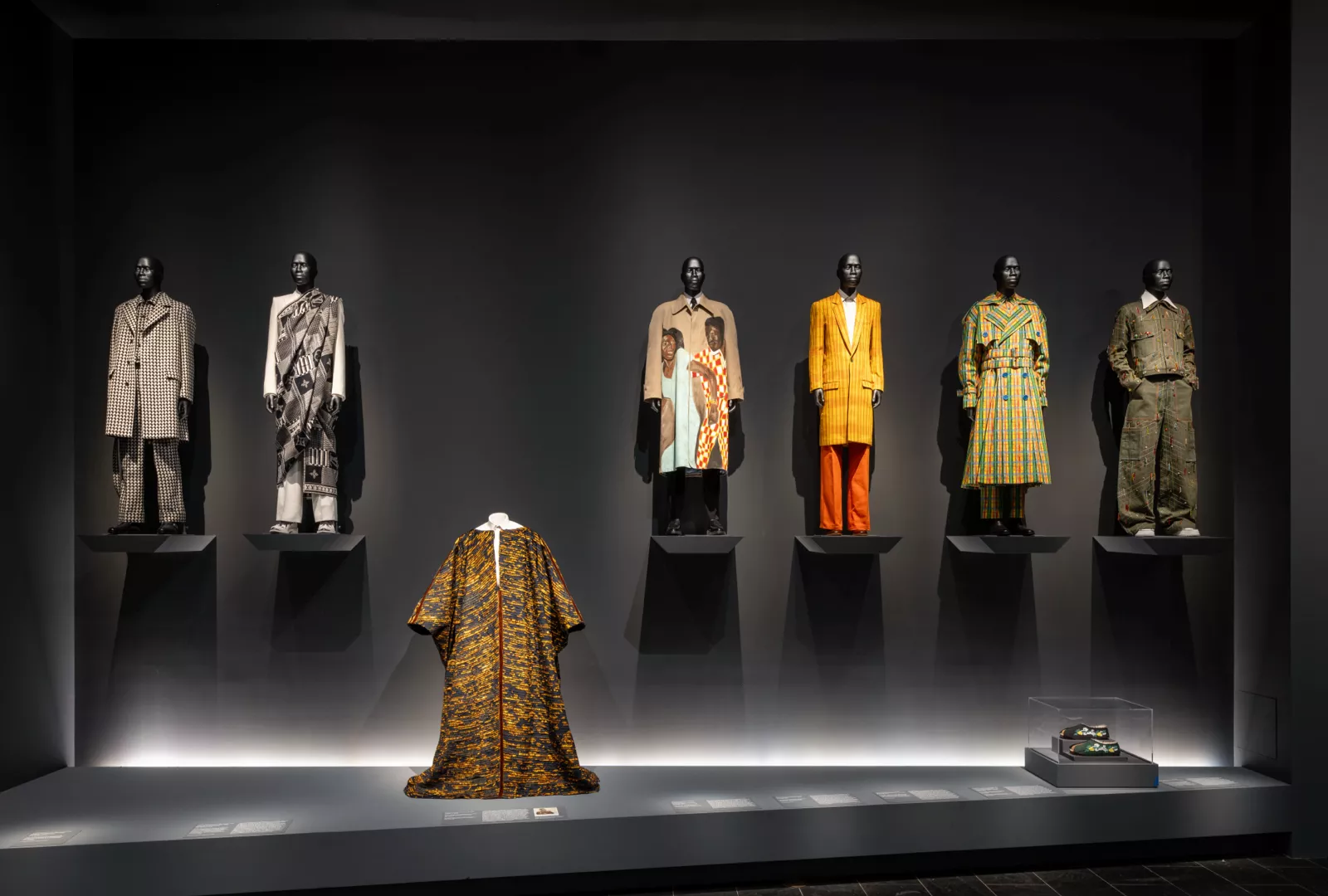
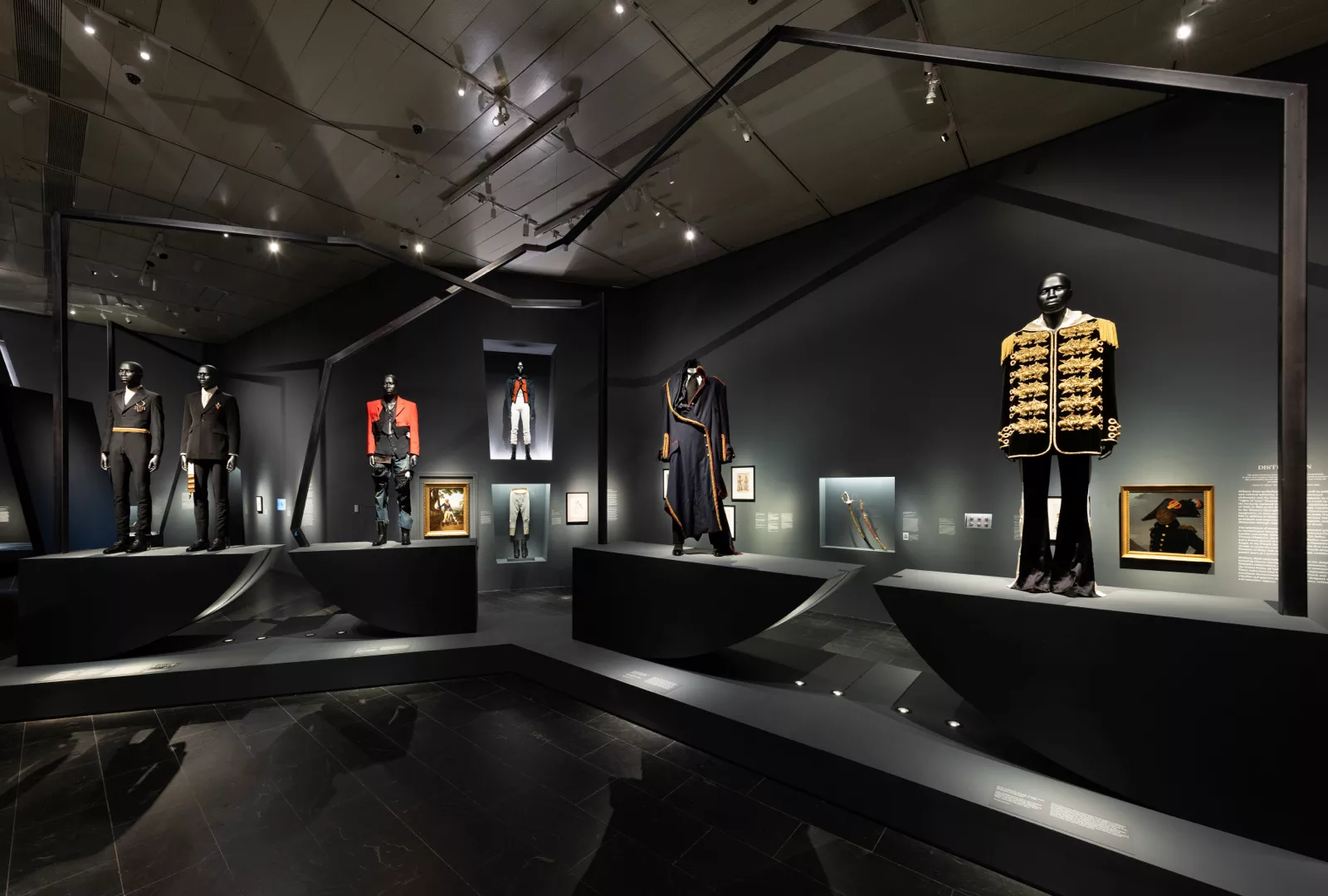
In a display that merges art, fashion and identity, 75 custom mannequins from Bonaveri’s Tribe collection are essential protagonists. Showcasing the exhibition’s iconic garments, the brand once again confirms its important role in museum storytelling through design and its forms. The mannequins are equipped with a Bespoke head, which for 6 of the displayed mannequins is enriched with sculptural profiles inspired by the works of Tanda Francis, a Brooklyn artist who primarily creates public art, including monumental African heads.
“Being part of a project with such great cultural significance is an honor for us,” declared Andrea Bonaveri, CEO of Bonaveri. “In the exhibition, our mannequins become narrative tools designed to respect and amplify the identity of the garments they wear, conveying beauty and strength through their forms.”
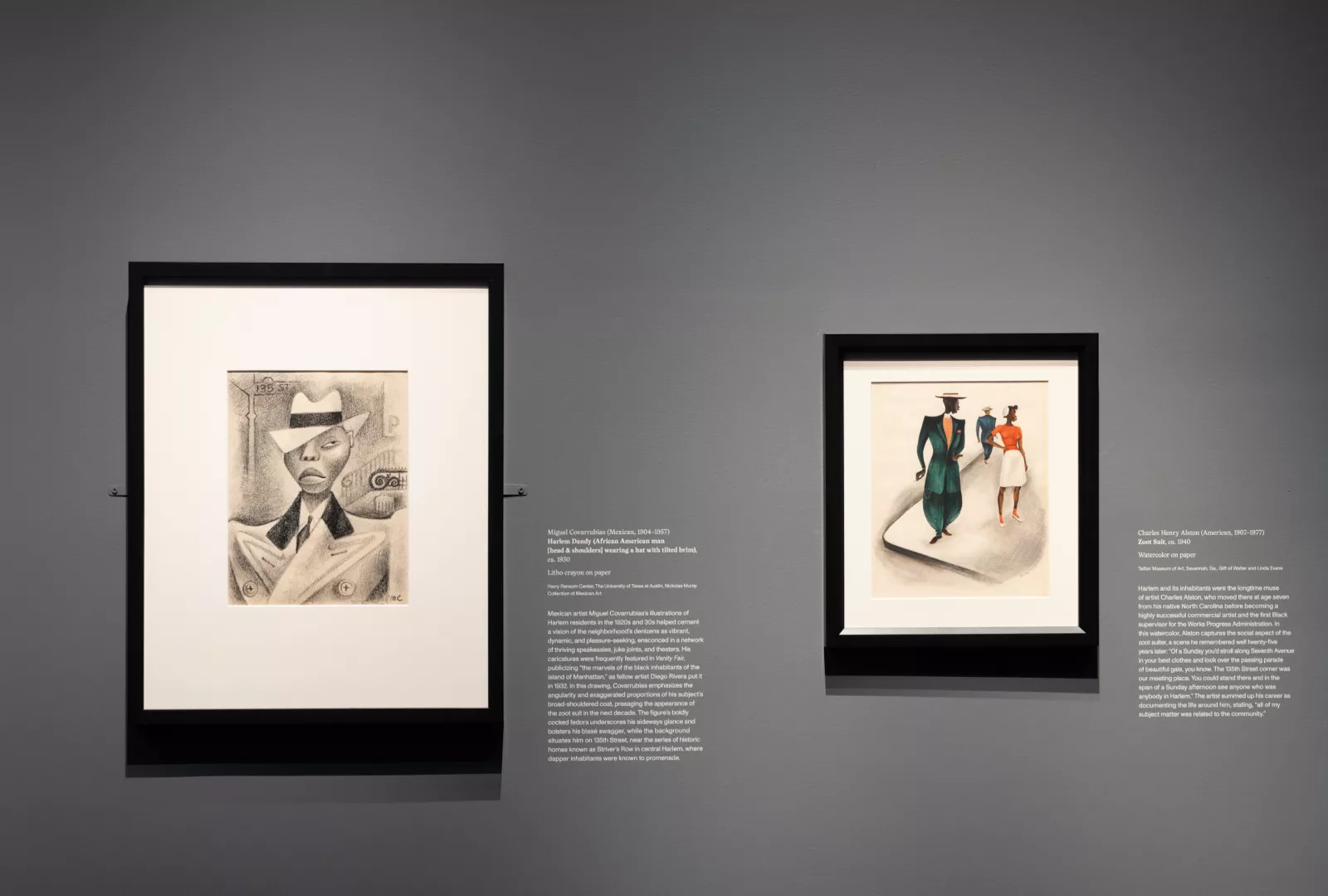
Superfine: Tailoring Black Style explores the importance of sartorial style in constructing Black identities within the Black Atlantic diaspora. Inspired by guest curator Monica L. Miller’s book, Slaves to Fashion: Black Dandyism and the Styling of Black Diasporic Identity (2009), the exhibition tells how, over time, clothing has been a tool of affirmation for the Black community, transformation and imagination of new political and social possibilities.
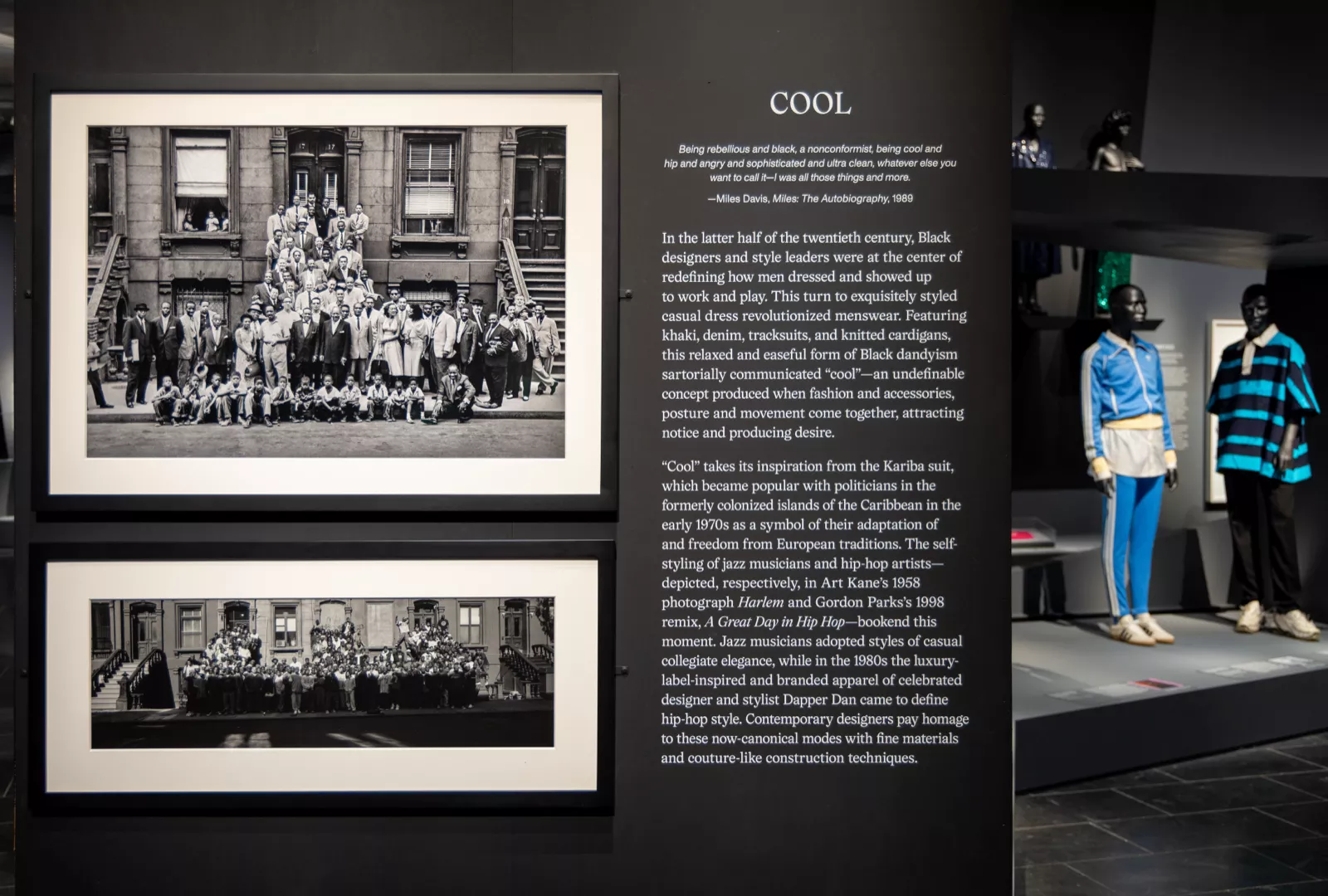
The exhibition’s title refers not only to the quality of fabrics – such as “superfine wool” – but also to an attitude: a way of being that reflects pride, style and self-affirmation. The exhibition path is organized into 12 sections, inspired by Zora Neale Hurston’s essay Characteristics of Negro Expression.
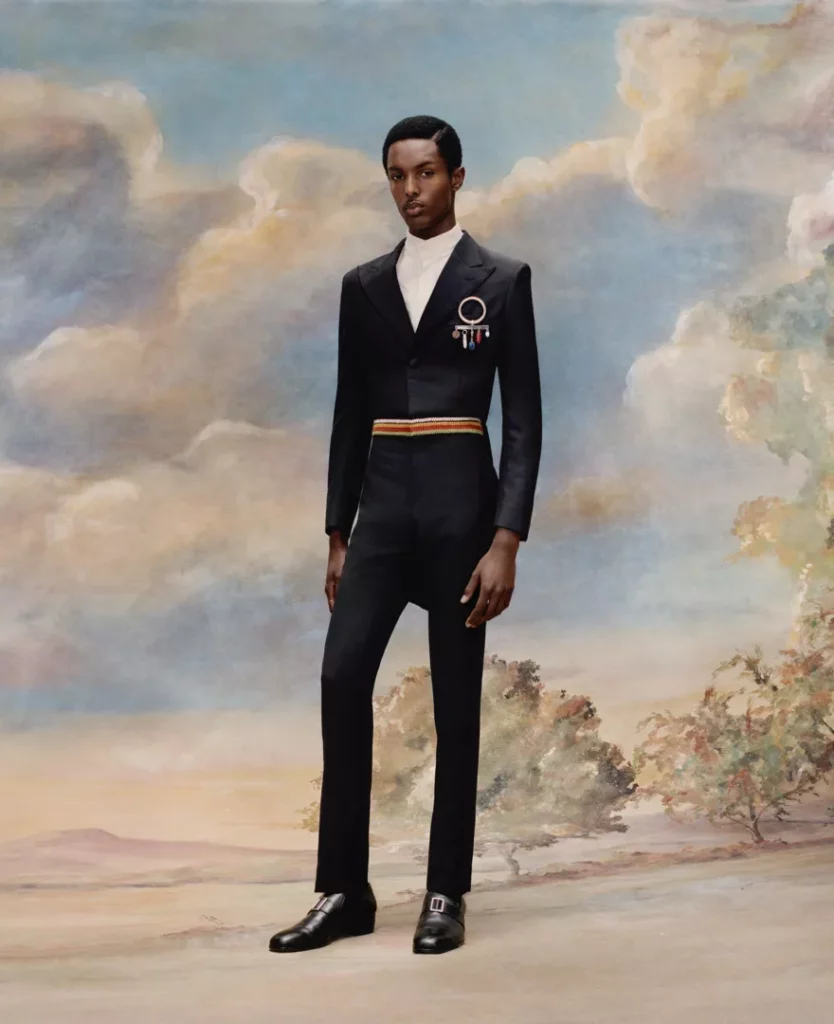
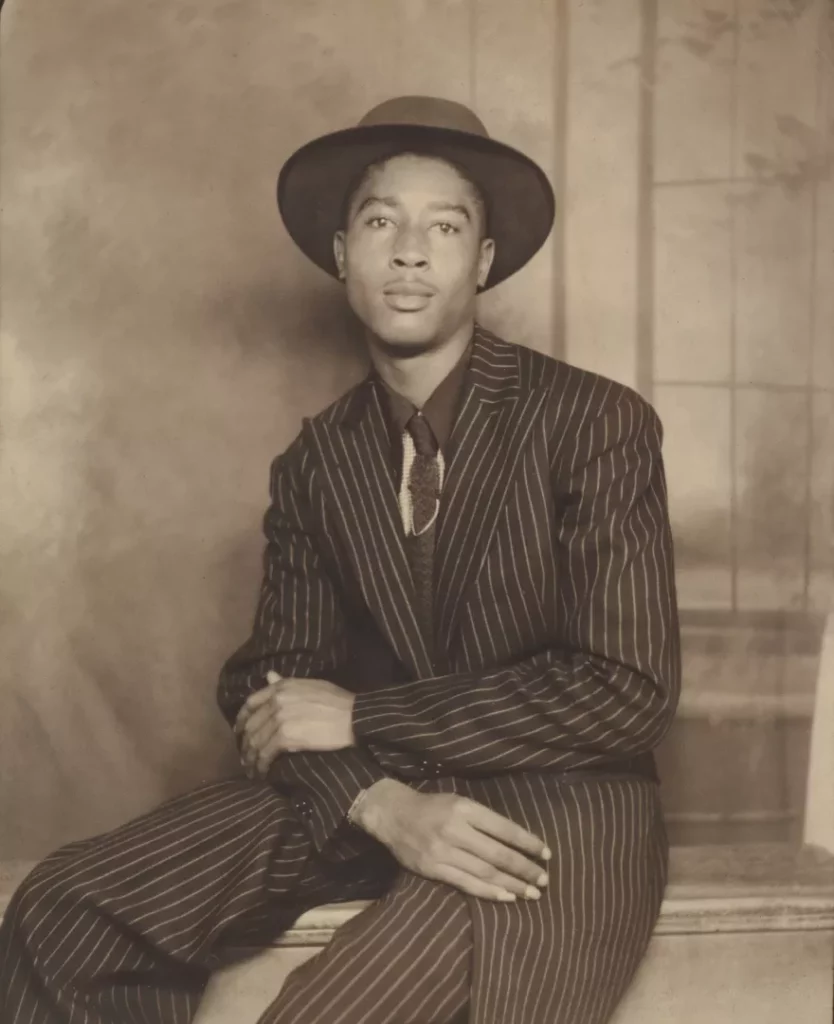
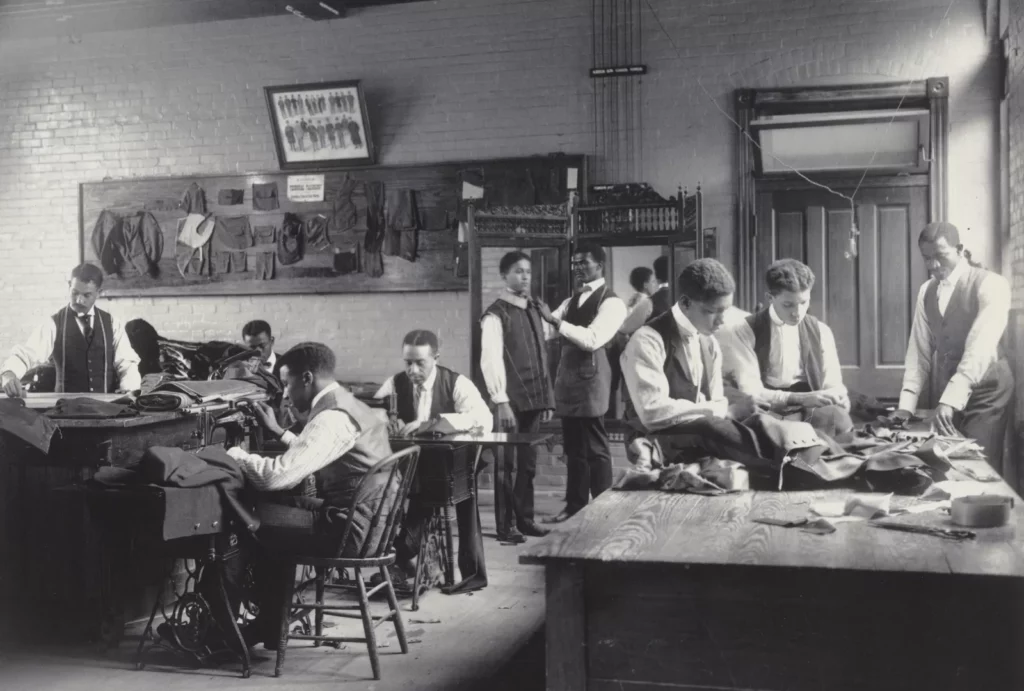
Unknown (American). Twentieth-Century Photography Fund, 2015
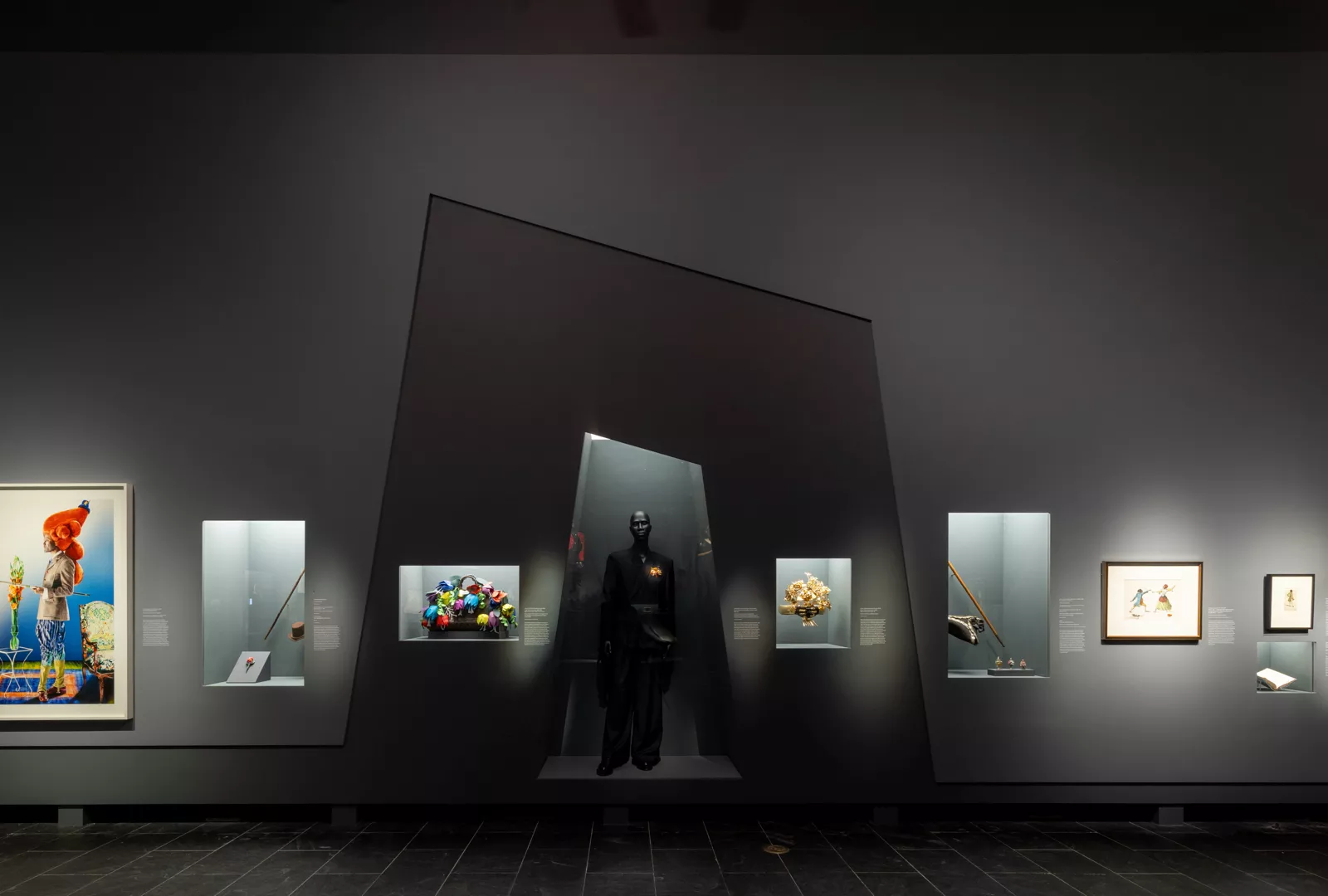
The two mannequin heads on display were created by Tanda Francis and evoke bronze monuments: one depicts multiple profiles celebrating collective identity and pays homage to André Grenard Matswa, a Congolese revolutionary considered the first Sapeur.